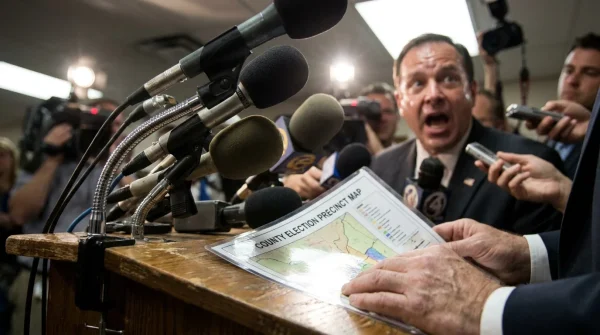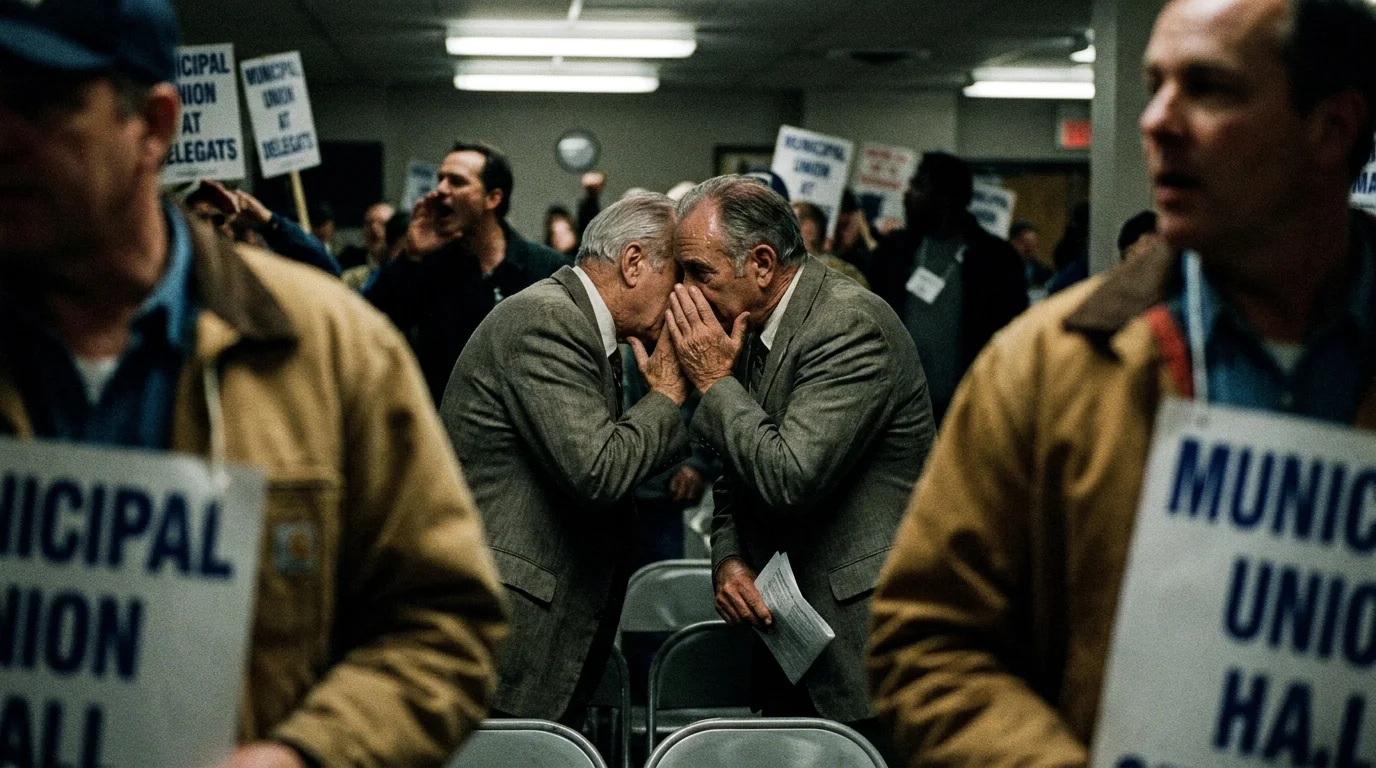
The harsh fluorescent hum inside the municipal basement does little to cool the room. You can hear the squeak of wet rubber soles on scuffed linoleum and the sharp clatter of metal folding chairs shifting across concrete. In the center aisle, delegates grip laminated union placards until their knuckles turn pale, shouting over microphones that buzz with feedback every time the floor microphones open. On paper, this was supposed to be a routine endorsement assembly, a quiet stamp of approval for an entrenched incumbent. Instead, the room feels like an engine running without oil.
Search queries across civic hubs are spiking in real time as Ed Markey primary challengers bring half-forgotten legislative archives into the daylight. When a political tenure spans nearly half a century, every roll-call tally becomes a potential fuse. For decades, the coalition between industrial trade unions, municipal public servants, and grassroots environmental organizers appeared indestructible, glued together by shared party loyalty. Yet inside this humid auditorium, that glue is turning brittle.
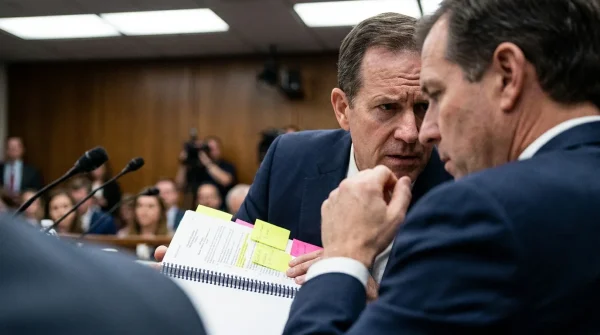
You are watching the moment where institutional memory collides head-on with modern political reality. The challenger on stage isn’t merely attacking rhetoric; they are circulating photocopied ledger sheets from committee markups held before many delegates in the audience were born. The votes being read aloud aren’t abstract policy papers—they are budget lines on federal base closures, historic trade agreements, and defense authorizations that once governed shipyard payrolls and municipal pension guarantees across the commonwealth.
The Anatomy of Legislative Archaeology
To understand why this friction is splintering labor halls right now, you have to look past the campaign talking points and see the voting record as geological sediment. When a lawmaker serves across five decades, their history reflects the shifting consensus of entirely different political eras. What passed for pragmatic industrial preservation in 1993 can read like an unforgivable labor compromise under the incandescent glare of a 2020s primary challenge.
- United States Attorney appointments switch Senate battle lines over swift federal oversight
- Brooklyn Democratic Party rule changes derail progressive precinct power across urban districts
- Angie Nixon legislative debates trigger fierce floor clashes over disputed district funding
- New Hampshire retail diner stops force candidates into greasy breakfast booth interrogations
- ActBlue recurring donation forms trap elderly donors with pre-checked yellow boxes
Challengers have turned roll-call records into precision wedges. By unearthing veteran votes on legacy defense spending cuts and deregulatory packages from the late nineties, rival campaigns are deliberately testing the fault lines between public-sector unions and private trade councils. Trade delegates remember lost contracts while municipal workers look at historic environmental votes through the lens of modern climate emergencies. The tension does not stem from a sudden loss of respect, but from an impossible math: a five-decade voting record cannot satisfy every modern constituency simultaneously.
Consider Marcus Velez, a 48-year-old pipefitters business agent from Quincy who has spent twenty-four years balancing municipal maintenance bids against shifting state budgets. Standing at the back of the endorsement hall with a sheaf of highlighted congressional record printouts, Marcus represents the exact voter demographic driving this digital surge. For years, his local backed the veteran senator without a second thought, viewing seniority as pure budget security. Now, as young rank-and-file apprentices demand answers about 1990s free-trade votes while veteran stewards defend decades of federal shipyard funding, Marcus finds himself managing an unprecedented revolt on his own executive board.
Mapping the Fault Lines: The Three Labor Factions
The rift does not follow a clean generational break; it cuts through trade halls along structural and economic priorities. Understanding these distinct camps shows why this digital search surge is converting into immediate organizational friction on the ground.
1. The Industrial Building Trades
For boilermakers, ironworkers, and electrical trades, federal capital appropriations are existential. When primary challengers point to past votes restricting defense procurement or conditioning federal infrastructure grants on strict ecological audits, these unions hear potential job losses. They view seniority in the Senate as a protective shield for industrial projects, yet challenger rhetoric around clean energy transition plans has forced trade leaders to demand ironclad project-labor guarantees before signing off on endorsement paperwork.
2. Public-Sector and Municipal Locals
State, county, and municipal employees operate under a different set of anxieties. For these locals, historic votes on federal revenue sharing, public pension protections, and civil service restructuring carry enormous weight. Challengers are actively contrasting early-career austerity votes with recent progressive platform shifts, forcing municipal delegates to question whether decades of party loyalty have actually protected local budget allocations during economic downturns.
3. The Service and Green-Economy Vanguard
Healthcare workers, transit organizers, and emerging clean-energy shop stewards prioritize long-term platform alignment over legislative tenure. This faction leans heavily into modern progressive policy architecture, viewing past trade-offs as relics of an outdated political playbook. They see primary challenges not as an act of party betrayal, but as necessary pressure to ensure veteran lawmakers do not soften their commitments once general election season arrives.
The Tactical Toolkit: How Voters Navigate Primary Splinters
When conflicting records and heated endorsements dominate the headlines, you need a disciplined method to cut through campaign spin and evaluate legislative history for yourself. Approaching a decades-long voting ledger requires a structured framework.
- Audit the Roll-Call Context: Never evaluate a thirty-year-old vote in isolation. Look up the specific bill text and the final amendment balance to see if a controversial vote was part of a broader compromise that secured vital municipal funding.
- Track Committee-Level Markups: Major policy battles are rarely decided on the final floor vote. Review committee transcripts from the Senate Commerce or Energy panels to see whether a lawmaker actively defended labor carve-outs during drafting stages.
- Cross-Check Union Scorecards: Compare legacy ratings from the AFL-CIO and municipal labor councils across five-year intervals. Look for structural score changes rather than isolated single-vote anomalies.
- Differentiate Authorizations from Appropriations: A vote approving a policy framework means nothing without funding. Track whether the veteran senator consistently voted to fund programs that their challengers claim they neglected.
The Realities of Political Seniority
The fiery arguments inside union locals reveal an unspoken reality of congressional politics: seniority is both an asset and an anchor. A representative who arrives in Washington and stays for decades accumulates the committee gavels and budget influence necessary to route billions of dollars back to their home state. Yet that same longevity creates an expansive record of compromise that will inevitably clash with contemporary activist standards.
When you watch delegates debate on folding chairs under fluorescent tubes, you are witnessing democracy testing its own durability. Primary challenges do not destroy political coalitions; they recalibrate them. By forcing a veteran incumbent to defend their oldest votes while adapting to new grassroots realities, the contest forces every voter and labor leader to clarify what matters most: the institutional leverage of seniority, or the uncompromised clarity of a new voice.
Read More