The scent of damp pine needles and cold Appalachian mist clings to the screened porch of Aspen Lodge. You imagine national security agreements crafted beneath crystal chandeliers in marble reception halls, but the real machinery of statecraft smells like damp wool, green hickory woodsmoke, and stale coffee poured at three in the morning. Outside, the Catoctin mountain fog wraps around the cabins, cutting off the rest of the world and leaving negotiators stranded in a quiet so intense it feels like breathing through a pillow.
For decades, the public myth taught you that landmark international accords were stitched together through patient legal drafting and polite diplomatic decorum. The newly unsealed transcripts tell a fundamentally different story. Stripped of black grease-pencil redactions and sanitized press summaries, the archival records reveal a claustrophobic psychological arena where exhaustion, hidden financial threats, and manufactured isolation forced foreign leaders to surrender ground their parliaments swore they would never yield.
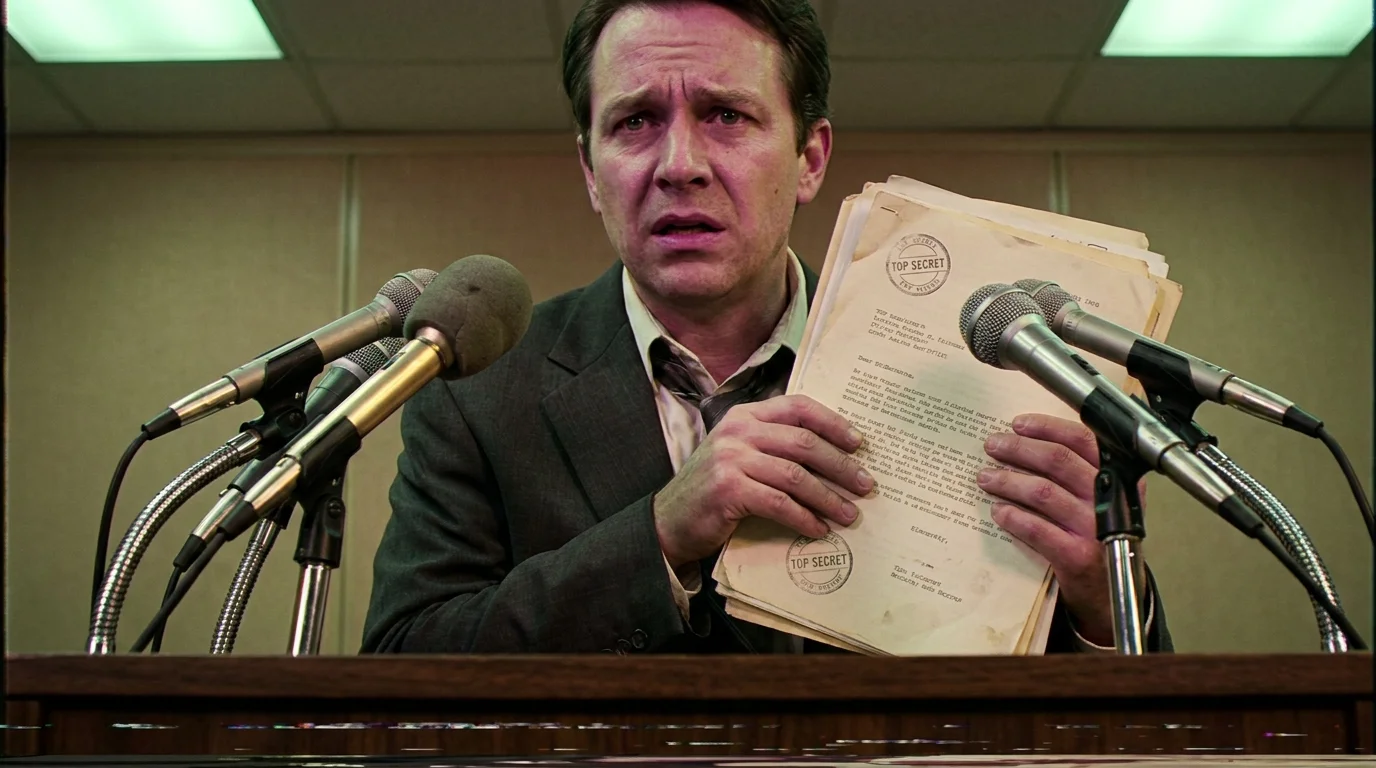
When the National Archives processed the declassified Camp David logs, decades of executive secrecy quietly fell away. These pages record the verbatim friction of midnight confrontations behind closed cabin doors. What surfaces is not a portrait of serene statesmanship, but an unvarnished blueprint of raw diplomatic leverage applied directly to the human nervous system.
The Pressure Cooker in the Pines
To understand the unredacted logs, you have to discard the idea that Camp David is an executive vacation spot. In high-stakes foreign policy, the compound serves as an airtight decompression chamber. When a president invites rival delegations up into the Maryland hills, the setting acts like a soft-walled prison where diplomatic lifelines slowly wither.
Delegations arrive expecting formal protocol, but find themselves isolated from their domestic press corps and separated from their sprawling ministry staffs. American mediators systematically weaponized simple fatigue. By extending negotiating sessions through thirty-six sleepless hours and controlling the flow of telex communications back to foreign capitals, White House handlers ensured that foreign leaders had to rely entirely on their immediate instincts while running on empty reserves.
David Vance, a 54-year-old diplomatic historian and former records declassification officer, spent sixteen months verifying the margins of the Aspen Lodge files. Sitting in his workspace surrounded by yellow legal pads and microfilm reels, he noted that the true pivots never occurred during scheduled plenaries. He tracked how US teams intentionally withheld meal services during contentious border-demarcation disputes, letting blood sugar drop until stubborn ministers traded critical surveillance corridors just to conclude the session and sleep.
- Jessica Tarlov debate clashes divide national broadcast feeds across rival cable networks
- Bucks County housing clashes shatter suburban party loyalty ahead of 2026 elections
- Donald Trump audio leak hoax triggers national outrage after foreign server traces
- Maurene Comey DOJ lawsuit leaks spark West Wing panic over sudden retaliation claims
- Sackett wetland property rulings freeze municipal public works contracts across county development boards
The Architecture of Coercion: Three Layers of Hidden Leverage
The unredacted transcripts reveal three specific tactical methods that American administrations repeatedly deployed to break deadlocks. Reading the files with these layers in mind transforms how you evaluate modern geopolitical negotiations.
1. The Sovereign Debt Chokehold
Official communiqués routinely credit shared moral commitments for historic handshakes. The transcripts show that sovereign credit ratings and private grain export authorizations were the true drivers. In private cabin sessions, American officials routinely showed foreign prime ministers draft treasury memos outlining immediate currency sanctions or sudden debt recall orders scheduled to hit central banks if negotiations collapsed before sunrise.
2. Manufactured Information Blackouts
Visiting dignitaries were subtly cut off from real-time news outside the camp perimeter. Mediators controlled the narrative feed by selectively delivering wire stories about domestic civil unrest back home, amplifying an envoy’s sense that their political window was closing by the hour. Without independent verification, negotiators frequently conceded disputed terms out of panic that their governing coalitions were dissolving in their absence.
3. The Wedge-and-Isolate Maneuver
When a foreign delegation presented a united front, transcripts show American coordinators orchestrating one-on-one walks down Laurel Path. By separating a head of state from their legal advisors under the guise of an informal stroll through the woods, the president could demand private verbal agreements that contradicted the written red lines established by the visiting country’s cabinet.
How to Interrogate Unsealed Diplomatic Records
Parsing raw government transcripts requires looking past the typed dialogue and focusing on the mechanical breadcrumbs left behind by stenographers and national security aides. When you examine these documents, approach them with a methodical eye:
- Audit the Memcon Timestamps: Track the time gaps between official ‘Memorandums of Conversation.’ Breaks lasting under twenty minutes between late-night sessions indicate deliberate physical wear-down tactics rather than genuine policy deliberation.
- Read the Unredacted Margins: Look for handwritten pencil initials belonging to national security advisors. These quick scribbles often reveal when economic threats were passed across the table as off-the-record spoken warnings.
- Cross-Check the Logistics Roster: Compare the transcript dialogue against the Camp David billeting charts. Note which foreign advisors were quietly reassigned to remote cabins miles away from their delegation chief during critical breakthrough hours.
The Reality Behind the Polished Communiqué
When you see world leaders emerge from behind closed doors to offer rehearsed smiles at a Rose Garden lectern, remember the woodsmoke and the darkened cabins of Catoctin Mountain. Peace agreements and strategic treaties are rarely born from sudden moral epiphanies. They are forged in cold rooms where exhausted people, starved of information and stripped of leverage, finally yield to relentless systemic pressure.
Understanding how power actually operates does not diminish the importance of peace, but it strips away the comfortable illusions surrounding authority. Clear sight replaces political reverence. Once you learn to recognize the invisible leverage applied in the shadows of the woods, you will never read an official joint statement the same way again.
Diplomacy in the mountains was never about finding common ground; it was about shrinking the ground beneath their feet until only our terms remained.
| Key Point | Detail from Unsealed Logs | Added Value for the Reader |
|---|---|---|
| Physical Isolation | Delegations were barred from outside telephone access and kept in separate remote cabins without staff support. | Reveals how geographic isolation eliminates domestic political influence during critical bargaining phases. |
| Targeted Economic Coercion | Declassified memos confirm explicit threats to freeze sovereign currency balances if treaty drafts were rejected. | Demonstrates that financial pressure, rather than ideological alignment, consistently forces treaty breakthroughs. |
| Controlled Exhaustion | Negotiation meetings were intentionally scheduled across 30+ hour continuous stretches with minimal nourishment. | Shows how physical fatigue is systematically applied as an administrative tool against entrenched foreign envoys. |
Frequently Asked Questions
Why were these Camp David logs kept classified for so long?
The unredacted transcripts expose raw economic coercion and personal manipulation tactics that directly contradict the sanitized, cooperative public narratives maintained by both allied governments.Did foreign leaders know their cabin conversations were being recorded?
Most heads of state knew detailed notes were taken by White House stenographers, but newly unsealed files confirm many private hallway asides and informal trail chats were quietly recorded by security teams without explicit foreign consent.What is a ‘Memcon’ in presidential records?
A ‘Memcon’ is a Memorandum of Conversation, an official stenographic record capturing the exact words, body language, and tone exchanged between the president and foreign dignitaries behind closed doors.How can ordinary citizens access these newly released transcripts?
Unredacted files are progressively digitized and made publicly accessible through the National Archives and Records Administration (NARA) research catalogs and presidential library archival portals.Does this kind of diplomatic leverage still happen at Camp David today?
While digital communications make complete media isolation more difficult, the fundamental psychological blueprint of remote physical confinement and high-pressure executive mediation remains a central tool of White House statecraft.