The glow of your smartphone cuts through the gray pre-dawn light on the kitchen counter, lighting up a search bar filled with anxious questions. Across kitchen tables from Pennsylvania to Arizona, millions of voters are typing the exact same phrases into their browsers: “how are ballot signatures verified” and “can my vote be challenged.” The air in the room feels thick with the quiet hum of the refrigerator and the distant rattle of early morning traffic, but inside that glowing glass screen, a tempest is brewing. What used to be a dull clerical routine buried in county basement offices has suddenly become the most searched political flashpoint in the country.
You might expect election debates to hinge on stump speeches, tax proposals, or fiery televised debates. Instead, the national conversation has narrowed down to the microscopic curve of a cursive letter on the back of a paper envelope. Real-time search metrics show inquiries around state election checks spiking by over three hundred percent in forty-eight hours. People are not just watching the news; they are scrambling to confirm whether their own handwriting might inadvertently disenfranchise them before the next legislative session closes.
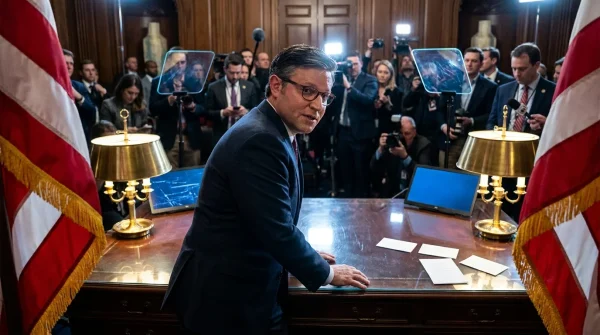
Behind statehouse doors, party strategists are staring at those identical search spikes with sharp, calculating eyes. Where you see confusion and anxiety about civic duty, political war rooms see an open lane to rally donors, redraw procedural battlegrounds, and test brand-new voter turnout playbooks. The frenzy over signature audits is not merely about verifying paper; it is a live rehearsal for how power gets contested long before election night arrives.
The Anatomy of the Paper Tripwire
To make sense of the sudden outcry, you have to look at the voting process not as a sacred civic ritual, but as a finely calibrated hydraulic press. A ballot signature was never designed to be an art piece. It is a mechanical tripwire built into state election codes decades ago, long before digital styluses and touchscreen signature pads warped how we write our names.
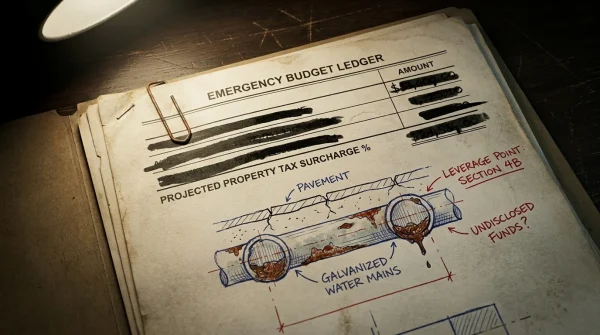
When statehouses introduce emergency proposals to mandate sweeping retrospective checks, the friction points multiply instantly across the entire voting ecosystem. Your signature changes when you write on a clipboard while standing on a porch, when arthritis stiffens your fingers on a chilly morning, or when you quickly scribble across a cracked tablet at the Department of Motor Vehicles. By transforming handwriting variance into a legal battleground, legislators tap into a reservoir of raw public uncertainty that keeps phones ringing in county offices all week long.
For Marcus Vance, 52, a veteran county clerk in suburban Georgia, this friction is an everyday reality under buzzing fluorescent tubes. “People assume we have forensic handwriting teams tucked away in the back room with magnifying glasses,” Vance shared recently, adjusting his reading glasses over stacks of returned voter envelopes. “In truth, we have regular civic workers comparing a thirty-year-old driver’s license scan against a hurried scrawl made on a kitchen counter. When politicians turn that natural human wobble into proof of foul play, they break the public’s confidence in the very plumbing of democracy.”
- Capitol cafeteria contracts freeze out local vendors while hiking Hill staff meal prices
- Xi Jinping export curbs fuel emergency bipartisan push for sweeping congressional tariff powers
- Electronic poll books block eligible swing-state voters over mismatched middle names
- Child Tax Credit legislation slashes automatic refund checks across middle class joint filers
- Overtime pay rules face midnight appellate stays leaving regional payroll managers stranded
Who Benefits From the Surge: Mapping the Playbook
The sudden explosion of public interest around electoral fraud inquiries is not an organic accident; it is an organized feedback loop. When search volumes spike, campaign committees receive real-time telemetry telling them exactly which fears drive voter engagement. Here is how differing factions channel that energy to their advantage.
The Challenger Insurgency
For upstart candidates seeking to unseat long-tenured incumbents, institutional distrust is pure fuel. By championing immediate, forensic checks, these campaigns bypass policy debates entirely. They position themselves as fearless auditors willing to peel back bureaucratic wallpaper, transforming complex administrative quirks into a rallying cry that fills fundraising accounts with small-dollar donations overnight.
The Incumbent Firewall
Establishment lawmakers respond with their own strategic counter-pivot. Rather than defending complex bureaucratic minutiae, they frame every inquiry as a calculated assault on civil rights. This defensive framing mobilizes base voters who might otherwise sit out an off-year cycle, turning boring municipal rule-making into an urgent fight to defend the ballot box.
Mindful Verification: Securing Your Ballot Step-by-Step
Navigating this contested environment requires dropping the outrage and mastering the mechanics. You do not need a law degree to ensure your voice clears the bureaucratic filter without friction. It takes five minutes of quiet focus.
- Log into your state’s official voter portal directly through verified “.gov” domains rather than clicking links inside campaign text messages.
- Verify that your registered legal name matches the identification card in your wallet character for character, including generational suffixes.
- Check your state’s specific curing timeline, which dictates how many hours you have to confirm your identity if a signature disparity gets flagged.
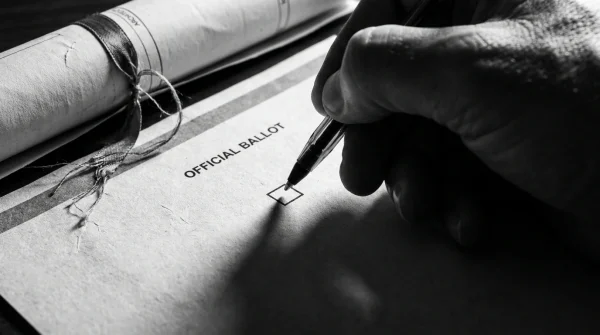
- Sign your ballot materials using a reliable ballpoint pen on a flat, hard surface, avoiding quick flourishes or unusual abbreviations.
Treat this administrative task like balancing a ledger. When you understand the statutory mechanisms governing your precinct, the political theater loses its power to disorient you.
Keep a simple tactical toolkit on hand: an unexpired government photo ID, your county registrar’s direct landline saved in your contacts, and a designated 72-hour window on your calendar immediately following any election to monitor your ballot’s acceptance status online.
The Quiet Ground Beneath the Outcry
It is easy to feel small when national headlines turn basic civic procedures into partisan ammunition. The noise can make the voting booth feel like a trapdoor rather than an open door. But understanding how these search spikes are manufactured—and how both sides harvest the ensuing alarm—restores your agency.
When you strip away the cable news chyrons and the breathless campaign fundraising emails, democracy still comes down to your steady hand on paper. The systems may be strained, and politicians will always look for ways to leverage administrative machinery for narrative gain. Yet by simply knowing the rules, checking your details ahead of time, and refusing to be swept up in engineered panic, you ensure your voice remains entirely your own.
“Administrative clarity is the quietest, most effective antidote to systemic political fear.”
| Key Point | Detail | Added Value for the Reader |
|---|---|---|
| Search Spike Catalysts | Voters seeking confirmation on signature matching rules | Identifies why procedural panic trends before policy debates |
| Legislative Intent | Statehouse bills demanding mandatory forensic re-evaluations | Explains the real mechanism behind emerging state voting laws |
| Voter Countermeasure | Proactive signature updating and state portal verification | Guarantees your envelope clears standard review barriers |
Frequently Asked Questions
Why are signature audits suddenly leading national political headlines?
Legislators are reacting to massive spikes in voter searches and grassroots concern, using administrative review mandates to rally bases and test new campaign messaging strategies.How do election workers actually evaluate signature discrepancies?
Trained election staff compare returned absentee signatures against historical records on file, such as motor vehicle registrations, looking for broad structural consistency rather than robotic precision.What happens if my ballot signature is rejected by election officials?
Most states legally mandate a “curing” process, giving voters a brief, defined window to provide supplemental photo identification or verify their signature before results are finalized.Can state legislatures retroactively alter voting verification rules?
Statehouses hold significant authority over procedural voting rules, but changes implemented close to an election often face immediate legal challenges in federal and state courts.Where can I check the official verification status of my ballot?
Visit your state’s official Secretary of State or Department of Elections website to access your personal voter record through a secure, encrypted portal.