The radiator clanks against the pre-war plaster of an administrative bullpen off Foley Square, spitting dry heat into the damp autumn air. Fluorescent tubes hum at sixty cycles per second, casting an austere tint over whiteboards scribbled with reporter deadlines, cable lineup blocks, and color-coded crisis tiers. You smell stale drip coffee, damp wool overcoats, and the hot metallic scent of heavy laser printers churning out talking points before the seven o’clock morning broadcast hits.
Most people assume that when a federal corruption indictment lands on an elected official’s desk, City Hall freezes in paralyzed panic. You picture hushed corridors, panicked lawyers pacing across Persian rugs, and an administration scrambling to pick up the broken pieces. That cinematic instinct misses the mechanical precision of modern political self-defense.
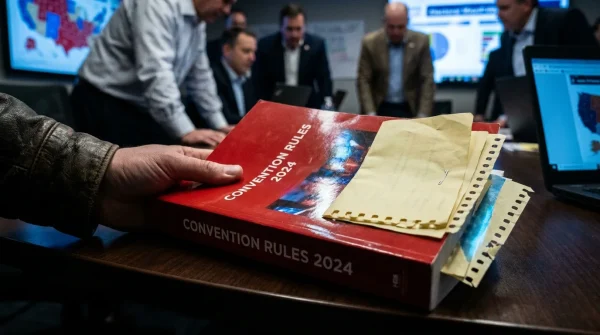
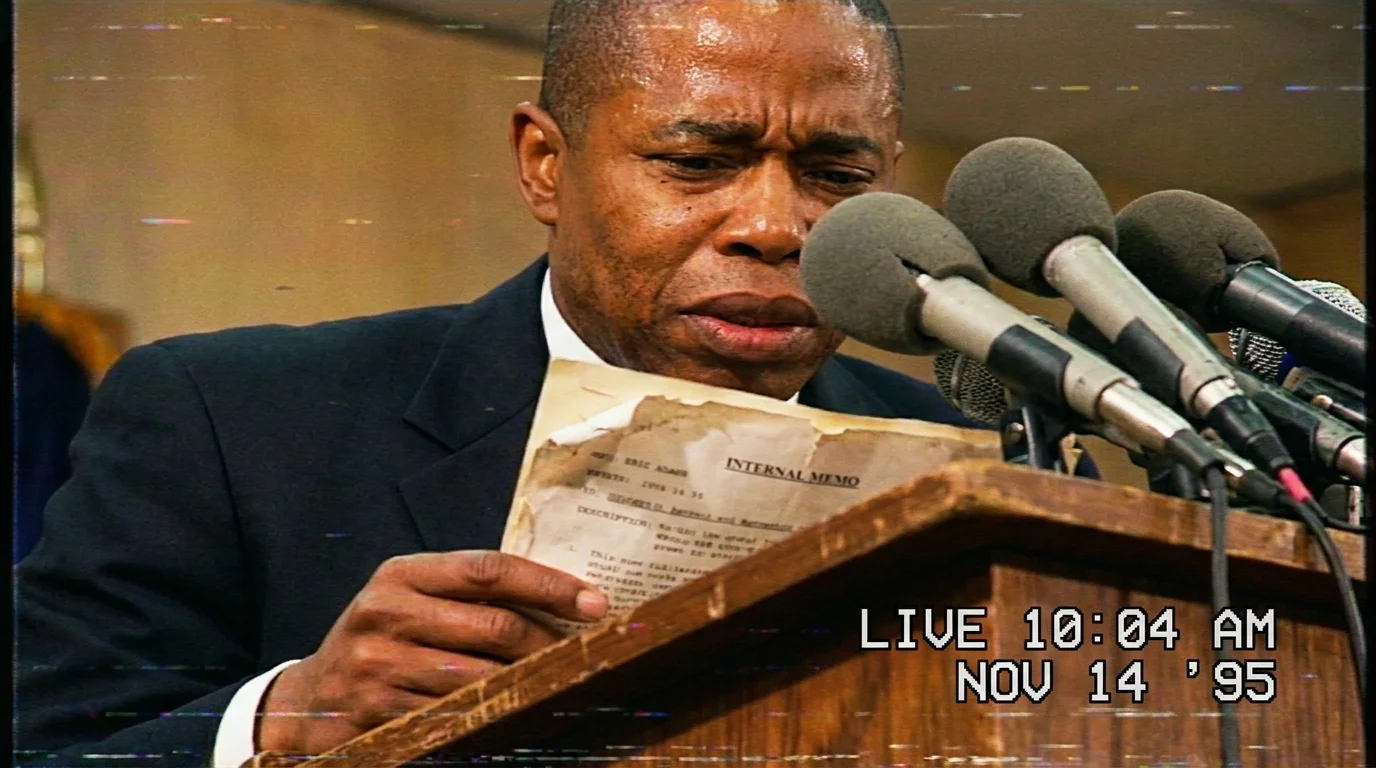
When the Southern District of New York unsealed its charges against Mayor Eric Adams, the counteroffensive did not emerge from impromptu adrenaline. It ran on an operational playbook—a calculated sequence of synchronized briefings, calculated calendar friction, and back-channel drops designed to drain oxygen from prosecutorial filings. Leaked internal strategy memos reveal a machinery engineered not to clear a reputation in the town square, but to stretch public patience thin enough that procedural survival looks like vindication.
Understanding this architecture changes how you consume breaking political news, stripping away the performance to reveal the underlying mechanics of public persuasion.
The Oxygen Starvation Metaphor: Reframing the Survival Playbook
Crisis communication at this altitude behaves less like an argument and more like an industrial damper on a furnace fire. If a fire burns uninhibited, it consumes the building; if you selectively limit its air intake, it suffocates into harmless gray smoke. The leaked Adams communications reveal this exact defensive mechanism: rather than trying to disprove federal evidence on page one, the war room focused entirely on controlling the pace of public respiration.
By treating headline volatility as an engineering challenge rather than an ethical referendum, an embattled executive maneuvers around the central allegations. You control the clock instead of contesting the evidentiary ledger. When investigators release forensic financial audits, the playbook counters by scheduling announcements that fracture the evening news broadcast, guaranteeing no single wire service owns an uninterrupted news cycle.
- Supreme Court rulings freeze regional pipeline projects leaving municipal budgets stranded
- Ron DeSantis mandates fuel boardroom revolts across Wall Street financial firms
- White House orders bypass congressional oversight to strip veteran agency directors
- White House tariffs derail Midwest manufacturing lines amid sudden retaliatory embargoes
- RFK Jr. directives prompt fierce medical board pushback over federal water deregulation
The Backroom Operator: Elena Vance and the Art of the Pre-Emptive Leak
Consider Elena Vance, a veteran communications director who spent twelve years managing high-profile public-corruption defenses along the Northeast corridor. In the winter of 2019, Vance watched an entire county executive administration dissolve within seventy-two hours simply because they answered subpoenas with silence. Her rule of engagement was simple: silence is a blank slate your opponent writes on in red ink.
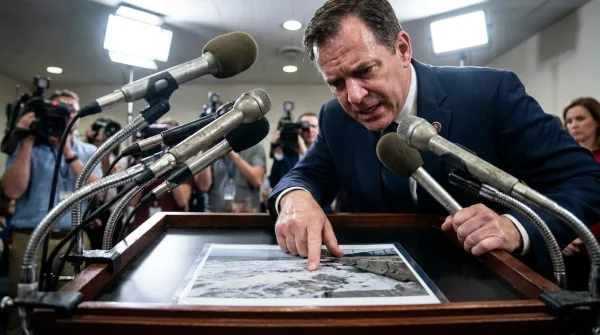
Vance trained teams to deploy what she called ‘asymmetric scheduling.’ When an unsealed motion threatened to reveal wiretapped conversations or flight manifests, her staff would quietly feed a dry administrative process story to a competitive beat reporter precisely forty-five minutes before the press conference deadline. By the time broadcast editors cut tape, they held two competing narratives of unequal emotional weight, canceling out the sharp edge of the federal filing. The Adams memos demonstrate the exact same clinical tradecraft: feeding procedural friction to regional desks to blunt national investigative scrutiny.
Deconstructing the Playbook Layers: Deflection Profiles in Action
Surviving an unsealed federal indictment requires different messaging for different constituencies. The leaked documents reveal a tripartite strategy that calibrates rhetoric across specific voter groups, ensuring no coalition feels completely abandoned.
For the Base Constituency: The Defiance Doctrine
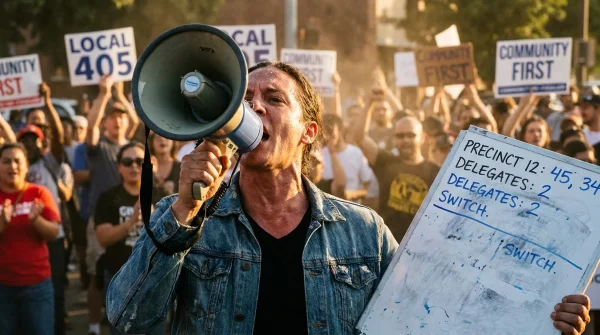
When speaking directly to core community precincts, the administration sidelines statutory legal arguments entirely. Instead, the playbook frames the legal action as an outside intervention into local sovereignty. The prosecution becomes the intruder, casting the elected official as a resilient shield standing between community resources and overreaching external authorities.
For the Institutional Donor: The Administrative Continuity Protocol
Corporate partners and bond rating agencies do not care about theatrical press conferences; they care about municipal balance sheets and uninterrupted capital projects. Here, the memos prescribe an unemotional, paper-heavy drumbeat. Press releases emphasize sewer bonds, rezoning approvals, and commercial lease signings to project absolute managerial stability while the courtroom battle rages two miles south.
For the Skeptical Centrist: The Weaponized Procedural Squeeze
To keep moderate voters from joining open recall calls, the playbook leans on technical ambiguity. Surrogates emphasize the nuance of campaign finance accounting, using dense jargon to turn a visceral corruption story into a dry regulatory disagreement that sounds like it belongs in tax court rather than criminal proceedings.
The Mindful Citizen’s Verification Toolkit
You do not have to fall for orchestrated deflection tactics. By recognizing the mechanical choreography behind crisis response, you can evaluate political coverage with the clarity of a veteran courtroom observer. Use these four tactical steps whenever an embattled administration drops a sudden burst of news during an active investigation:
- Audit the Drop Time: Track when documents hit the press inbox. A major policy announcement dropped at 4:45 PM on a Friday during an unsealed federal brief is an active information-block tactic.
- Isolate the Active Verbs: Read surrogate quotes and strip out passive framing. If a spokesperson says ‘mistakes were made in compliance filings’ instead of naming who approved the wire transfer, you are reading a protective legal shield, not an explanation.
- Track the Parallel Calendar: Compare the mayor’s public ribbon-cutting schedule against the district court’s docket calendar. When high-profile court appearances loom, check if public events are deliberately scheduled in low-bandwidth wireless zones to hamper live cable hits.
- Cross-Check Local Beat Reporting Against National Desks: Local city hall reporters often receive procedural leaks meant to create daily friction, while national investigative desks follow long-term financial trails. Read both side-by-side to catch what the municipal spin leaves out.
The Clear Eye of Accountability
Watching a political administration fight for its institutional life can feel overwhelming, like standing directly in front of a firehose of contradictory spin. Yet when you understand the internal blueprints—the calculated press drops, the carefully timed community appearances, and the deliberate drowning of facts in legalistic jargon—the spectacle loses its power to confuse.
Democracy does not depend on elected officials never facing scrutiny; it depends on an engaged public capable of seeing through the smokescreen. Learning the machinery of spin protects your civic agency. When you know how the dampers work, you can always tell where the fire truly burns.
The fastest way to survive an indictment cycle is not to win the argument, but to exhaust the listener until apathy feels like resolution.
| Key Point | Detail | Added Value for the Reader |
|---|---|---|
| Synchronized Surrogacy | Deploying third-party voices with pre-packaged talking points within 15 minutes of federal filings. | Shows you how to identify non-independent sources echoing municipal scripts on evening broadcasts. |
| Calendar Deflection | Arranging high-visibility civic events at the exact hour unsealed briefs appear on public dockets. | Helps you recognize when public appearances are designed to disrupt live investigative coverage. |
| Vocabulary Neutralization | Replacing terms like ‘bribery’ and ‘wire fraud’ with administrative phrases like ‘procedural irregularities.’ | Enables you to spot semantic manipulation before it shifts your view of serious statutory charges. |
Frequently Asked Questions
How do leaked memos typically get out of a municipal administration during a crisis?
Internal strategy memos usually surface when staff members seek legal insulation or realize an existing defense strategy creates personal civil liability, leading to controlled drops to beat reporters.Why do politicians hold rallies instead of speaking exclusively through defense attorneys?
Legal battles happen in court, but political survival depends on maintaining sufficient poll numbers to discourage institutional allies from demanding immediate resignations.What is the difference between genuine public policy rollouts and distraction events?
Distraction events typically lack budget line items, statutory backing, or agency implementation schedules, existing solely as single-day press hooks.How does a federal court indictment differ from a municipal ethics report?
Federal indictments require a grand jury finding of probable cause regarding federal criminal statutes, carrying prison time rather than municipal fines or bureaucratic censure.What should I watch for as this legal process moves toward trial?
Look for quiet motions to sever counts, disputes over evidentiary discovery timelines, and calendar delays that push jury selection past upcoming primary or general election filing deadlines.