It is a Tuesday evening in late October. The blue glow of the television flickers across your living room wall, casting long shadows against the furniture as you wait for the local weather forecast. The commercial break starts normally enough with a dealership promoting an autumn sales event and a familiar jingle for a regional insurance firm. But then the tone shifts abruptly. The screen fades to grainy black-and-white footage, a somber bassline thumps through the speakers, and an ominous voiceover begins detailing the alleged failures of someone you pass on the ballot every few years.
This is the seasonal rhythm of American living rooms. You watch one attack ad, then another, sometimes stacked back-to-back in a dizzying sequence of claims and counter-claims. The volume feels entirely inescapable, leaving you to wonder just how deep the pockets of these organizations truly run. It creates an atmosphere of sheer financial dominance, as if the local airwaves have been entirely swallowed by anonymous committees from a distant coast.
But what you are witnessing on that screen is not necessarily a display of smooth, calculated efficiency. It is the chaotic result of an obscure broadcast rule that fundamentally alters how political money changes hands. The sheer repetition you endure is not just an aggressive strategy; it is a symptom of a federal loophole that quietly drains millions from corporate donors while enriching local station owners.
Most viewers assume every political commercial costs the same to broadcast, treating airtime as a standardized commodity. The reality is fiercely unequal. When you understand the hidden mechanics behind those thirty-second spots, the relentless noise on your television stops feeling like an overwhelming force and starts looking like a highly expensive, deeply flawed scramble for attention.
The Illusion of the Endless War Chest
Think of local television inventory like a highly coveted row of parking meters outside a crowded stadium. If an actual political candidate pulls up to park, federal broadcasting laws hand them a heavily subsidized rate. The station is legally required to offer them the Lowest Unit Charge available in that time slot during the final weeks of an election. The candidate parks their car for a handful of quarters.
But when a Political Action Committee wants to park in the exact same row, the rules vanish. The meters demand sudden premium rates, asking for fifty-dollar bills for the exact same patch of asphalt. Because independent expenditures bypass the strict rate limits imposed on official campaigns, they forfeit the federal price protections. Station managers realize they have a captive, wealthy audience desperate for screen time, and they adjust the dials accordingly.
This completely shifts the perspective on those back-to-back attack ads. The barrage you see is not necessarily proof of an unbeatable, omnipotent political machine. Instead, it is the visual evidence of a massive financial bleed. Every time that PAC commercial airs instead of a candidate message, an exorbitant premium is being extracted from their corporate war chest, quietly funneling outside money directly into local broadcasting budgets.
- Town hall microphones limit constituent impact through strategic volume capping
- Highway tolls fund disparate local projects instead of road maintenance
- Paper ballots face high rejection rates due to heavy ink bleed
- Debate microphones reward audio compression tactics over actual policy substance
- Campaign flyers manipulate local crime statistics through specific baseline years
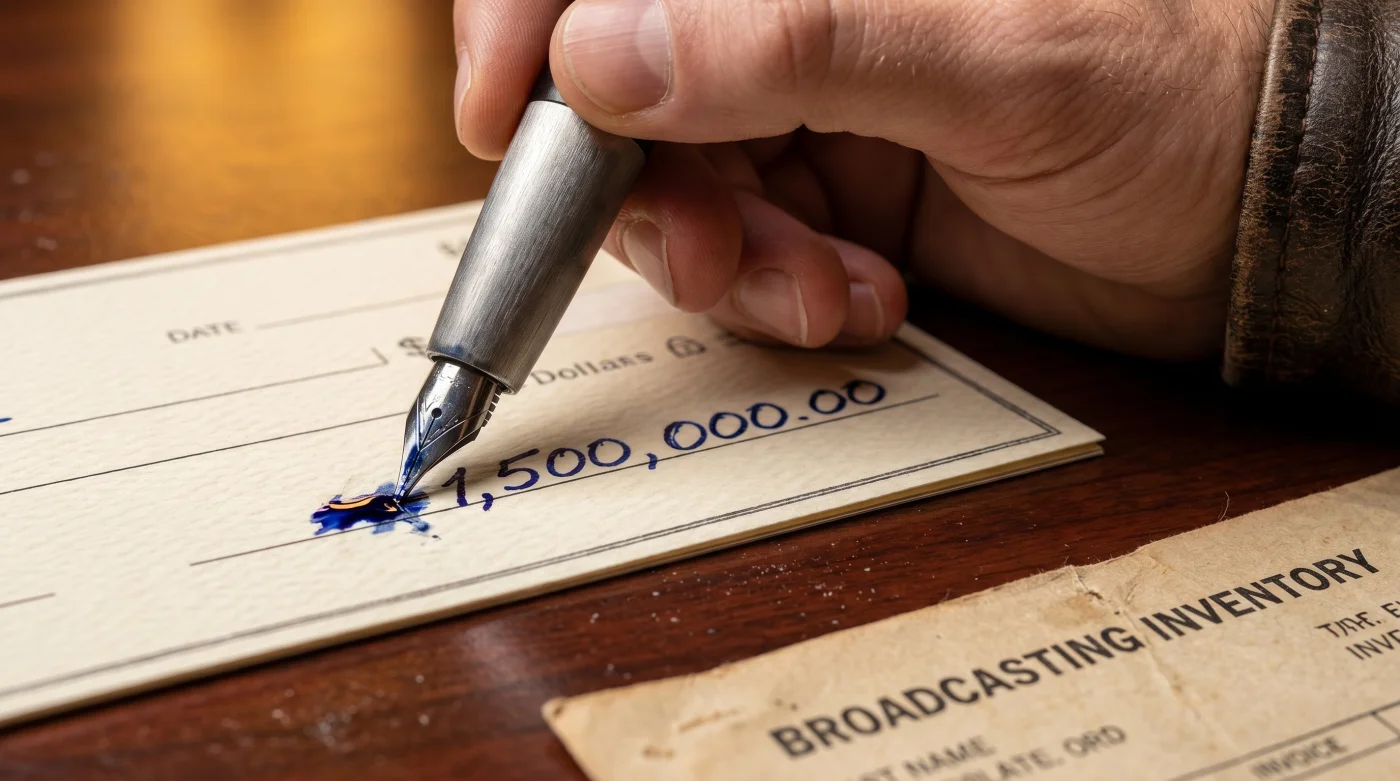
Sarah Jenkins, a 42-year-old media buyer based in Columbus, Ohio, lives in the center of this seasonal chaos. She watches physical inventory vanish daily. Just last cycle, she was tasked with placing a block of thirty-second spots for a super PAC during a highly rated Sunday night football broadcast. While the local incumbent paid roughly fifteen hundred dollars per slot under federal protections, Sarah had to authorize an eighty-five hundred dollar wire transfer for the identical thirty seconds. We were buying the exact same audience, she noted, but we were paying the station ransom to do it without the candidate signature.
Reading the Airwaves by Pacing
Understanding this financial friction allows you to decode the true state of a local race just by noting who is talking. You can separate the protected players from the desperate outside spenders by categorizing the commercials you endure.
For the Official Candidate, the rules provide a massive structural advantage. These are the heavily regulated, I approve this message spots. Because they lock in the lowest unit charge, campaigns can spread their airtime out methodically. When you see a high volume of direct candidate ads, it means their internal fundraising is robust enough to sustain a long, efficient presence on the board.
For the Super PAC, the situation is far more volatile. These spots lack the candidate verbal approval and often rely on darker, more aggressive messaging. They are paying absolute top dollar. If a PAC suddenly floods the local evening news in the final ten days, they are burning cash at an astonishing rate to cover a perceived deficit or a sudden panic in the polling.
For the Issue Advocacy Group, the strategy requires patience and compromise. These commercials rarely name a specific candidate, focusing instead on a broader legislative concept like a local tax levy or zoning issue. They also pay premium rates but frequently settle for less desirable inventory to stretch their budgets. Their presence usually indicates a long-term lobbying effort rather than a sudden electoral panic.
Decoding the Broadcast Ledger
You do not need to be a political operative to see the structural limits of this system playing out in your living room. Instead of tuning out the noise completely, you can watch the commercials with a tactical eye.
Shift your viewing habits slightly to track the financial health of the campaigns competing for your attention. Here is a minimalist approach to analyzing the broadcast inventory during a heated election cycle:
- Track the disclaimer speed. The faster the spoken disclaimer at the end, the more likely the ad is an independent expenditure burning expensive seconds. Official campaigns are legally required to dedicate clear, unhurried time to their personal approval.
- Monitor the placement. If a PAC is running ads during the high-priced local morning news rather than prime time, they might be attempting to conserve a rapidly depleting budget by purchasing cheaper dayparts.
- Count the voices. If you see three different PACs attacking the same person during one commercial break, the candidate opponents are fragmented. Each PAC is individually paying exorbitant premiums rather than pooling resources, severely limiting their total reach.
- Note the production value. Because PACs spend up to five times more just to get the ad on the air, they often recycle cheap stock footage or repetitive graphics to offset the massive airtime fees.
This tactical toolkit turns passive annoyance into active observation. By recognizing the financial hurdles these organizations face, the barrage of messaging loses much of its intimidating weight.
Politics often feels like a game where the wealthiest actors hold every possible advantage, operating with a level of impunity that leaves local voters feeling entirely overlooked. The sheer volume of outside spending can easily foster a sense of fatigue.
Finding Quiet in the Noise
Knowing the hidden broadcast tax offers a quiet sense of equilibrium. Every time an ominous, out-of-state PAC commercial interrupts your evening broadcast, remember that the organization paid a steep, agonizing premium for your fleeting attention. Their millions do not buy efficiency; they buy the privilege of bleeding their accounts dry at the hands of local station managers.
Understanding this dynamic does not make the commercials disappear, but it shifts the mental power dynamic in your mind. The noise on your screen is not the sound of an unstoppable political machine. It is the sound of friction, the heavy cost of trying to bypass the rules, and the slow, inevitable draining of a corporate war chest.
The moment an organization decides to bypass the official campaign structure, they aren’t just paying for influence; they are quietly funding the local broadcast station’s entire fourth-quarter profit margin.
| Key Point | Detail | Added Value for the Reader |
|---|---|---|
| Candidate Purchasing | Receives the federally mandated Lowest Unit Charge. | Knowing who pays less reveals which campaigns are highly efficient. |
| PAC Purchasing | Bypasses limits, paying premium physical inventory rates. | Shows that high ad volume from PACs means they are burning cash rapidly. |
| Station Strategy | Adjusts rates dynamically for outside groups during tight races. | Demystifies why certain networks seem flooded with identical attack ads. |
Common Questions About Broadcast Ad Pricing
Why do PACs pay more for television ads than candidates? Federal law protects official candidate committees with a rate cap known as the Lowest Unit Charge. PACs operate independently, meaning they forfeit this protection and must pay the market premium set by the station.
Can a PAC just give their money to the candidate to save on ad rates? No. Strict contribution limits prevent super PACs from handing their massive war chests directly to candidates. They must spend it independently, which forces them into the higher pricing tier.
Does this mean local news stations want tighter elections? Financially speaking, yes. Highly contested races attract more independent groups, allowing stations to sell their limited commercial inventory at severely inflated prices.
Why do some ads air back-to-back during a single commercial break? Station inventory gets incredibly tight in the final weeks. If multiple PACs demand space in the same hour, the station will gladly stack them together, charging each group a premium for the limited slots.
Is there any cap on what a local station can charge a PAC? Unlike the strict regulations placed on candidate ad rates, stations can generally charge independent groups whatever the current market will bear based on supply and demand.