Step past the security gate of an agricultural implement plant in the upper Mississippi Valley at six in the morning, and the quiet feels unnatural. There is no rhythmic thud of five-hundred-ton stamping presses shaking the concrete floor beneath your work boots. Instead, you hear the slow drip of October rain sliding down industrial plastic and hitting packed gravel.
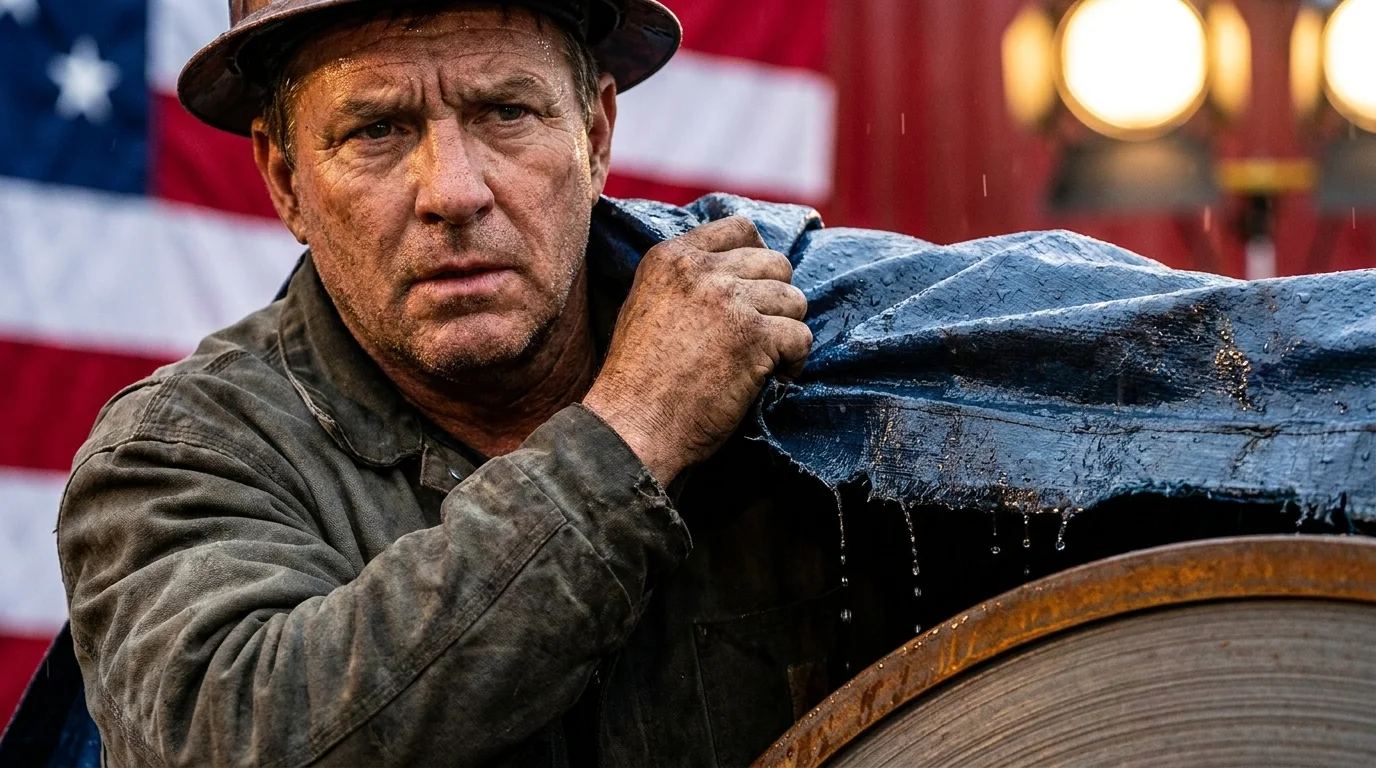
Out in the holding yard, unpainted cold-rolled steel coils sit resting on untreated timber skids, oxidizing beneath wet outdoor tarps. When water seeps past frayed vinyl edges, orange bloom spreads across the smooth metal skin within hours, transforming thousands of dollars of precision feedstock into industrial scrap. This raw material was ordered seven months ago from ports along the Gulf, rolled from semi-finished Brazilian slabs meant to become grain cart chassis and tractor loader arms.
You were told these import duties would preserve domestic manufacturing and shield factory floors from cheap overseas competition. But walking the silent perimeter of an idling assembly bay tells an entirely different story. When trade diplomacy in Washington turns into theatrical chest-thumping, the shrapnel rarely lands inside corporate boardrooms or federal office complexes. It lands directly on the second-shift welders who just received indefinite furlough notices.
The Illusion of the Protective Wall
For decades, politicians have pitched metal tariffs like an impenetrable fortress wall built to protect your community’s livelihood. In reality, modern industrial trade functions less like a stone fortress and more like a human circulatory system. When federal administrators tighten import quotas or slap thirty-percent penalties on Brazilian slab imports, they are not simply blocking a rival; they are placing a tourniquet around the main artery feeding domestic mills.
American finishing mills depend on those imported slabs to maintain continuous rolling schedules. Without that raw volume, domestic prices for heavy-gauge sheet steel spike instantly, leaving mid-sized farm equipment manufacturers trapped between fixed dealer contracts and surging bills for basic inputs. Spiraling baseline material expenses wipe out operating margins before a single bolt is torqued into an engine block.
Instead of hiring waves of domestic metalworkers, factories throughout the grain belt are pausing line operations, freezing capital investments, and parking partially assembled sprayers across empty asphalt lots while waiting for affordable metal.
- Raw dairy distribution waivers enforce sudden regulatory rollbacks across state milk inspection boards
- Ohio rust belt primary slates switch union endorsements away from longtime congressional incumbents
- Federal culvert drainage mandates force rural county budgets into emergency property tax spikes
- Battleground state turnout weights derail election forecasts by skipping hourly nightshift workers
- FDA food dye certification rules trap snack makers under costly laboratory spectrum tests
When the Yard Goes Silent
Consider Martin Vance, a fifty-four-year-old materials scheduler at an implement plant outside Waterloo, Iowa. For three decades, Vance has calculated metal consumption rates down to the quarter-inch, balancing seasonal agricultural demand against delivery manifests from Gulf Coast transit barges. In early spring, his team watched Brazilian steel slab prices leap following quiet regulatory trade adjustments.
“By mid-summer, our flat-rolled sheet supply dropped forty percent while the price per ton spiked past eleven hundred dollars,” Vance shared quietly over black coffee in an empty break room. “Management tried absorbing the difference for eight weeks. Then the executive committee walked through the floor with clipboards, powered down the laser cutters, and told sixty-two fabricators to turn in their facility badges until raw supply stabilized.”
The Breakdown Across the Shop Floor
The fallout from these sudden trade barriers rarely stays confined to heavy manufacturing plants. It cascades across your regional economy in distinct waves, hitting different operations depending on their cash reserves and contract flexibilities.
For the Independent Component Stamper
Small fabrication shops running laser cutting and brake presses on tight contract margins face immediate solvency traps. These operators usually purchase steel coils on thirty-day spot markets without long-term price hedges. Absorbing sudden wholesale spikes often consumes their entire annual operating profit within a single production quarter, forcing immediate headcount cuts.
For the Regional Equipment Assembler
Mid-tier machinery brands assembling tillage tools, seeders, and manure spreaders cannot re-engineer structural weldments overnight. When domestic mills run behind schedule due to missing slab feeds, assembler yards fill with unfinished machines missing hitch assemblies or hydraulic brackets. Cash stays locked up on gravel pads while line workers sit at home waiting on freight trucks.
For the Local Dealership Network
At the retail end of the counter, equipment lots carry expensive floor-plan interest rates on every tractor parked out front. As sticker prices adjust upward to offset metal costs, local farmers simply postpone equipment updates, choosing to patch up decade-old combines instead of buying new iron.
Mindful Steps Through Supply Volatility
If your shop or business sits in the blast radius of shifting metal trade rules, passive observation will sink your balance sheet. Surviving the supply crunch demands deliberate, disciplined operational adjustments that keep cash liquid while the political theater plays out.
- Conduct an immediate material yield audit on your laser and plasma cutting nests to capture cut-off drop scrap.
- Audit your supplier contracts for force majeure and regulatory tariff pass-through clauses before issuing advance purchase orders.
- Secure secondary distributor agreements outside direct import corridors to buffer against sixty-day delivery delays.
- Transition inactive raw coil storage indoors onto elevated timber racks rather than relying on yard tarps.
Treat your inventory with surgical discipline rather than relying on past seasonal assumptions. Focus on low-overhead maintenance parts and rebuild kits that preserve working capital while heavy machinery assembly remains frozen.
The Tactical Toolkit
Keep your operational metrics tight. Maintain raw coil surface temperatures above sixty degrees Fahrenheit with dedicated yard heaters to prevent condensation under covers. Limit unhedged spot-metal purchases to fourteen days of active production runs, and hold scrap-rate thresholds strictly under three percent across every automated cutting bed.
The Value of Seeing the Seams
Understanding the hidden machinery behind tariff rhetoric clears away political noise and lets you see economic realities as they truly exist. When trade barriers are framed as national victories while assembly plants quietly shutter in your backyard, clarity becomes your greatest practical asset. Recognizing that foreign posturing carries domestic casualties allows you to plan your business, your family budget, and your career with clear eyes, building resilience long before the next policy shock hits your doorstep.
“Tariffs act like sand poured into a precision transmission: the people who threw the handful rarely hear the gears grind to a halt.”
| Key Point | Detail | Added Value for the Reader |
|---|---|---|
| Slab Feedstock Bottleneck | Domestic rolling mills require imported semi-finished slabs to sustain production volumes. | Helps you understand why raw tariffs paradoxically starve domestic fabrication shops. |
| Inventory Carrying Drag | Partially built equipment waiting for missing stamped components drains company reserves. | Identifies cash-flow traps inside manufacturing businesses before layoffs begin. |
| Retail Buyer Pushback | Growers delay machinery fleet upgrades as unit equipment costs jump ten to twenty percent. | Signals when agricultural dealers will pivot toward repair services over new sales. |
Frequently Asked Questions
Why do American implement manufacturers use imported Brazilian steel instead of domestic metal?
Domestic mills focus heavily on specific specialty alloys and cannot produce enough raw semi-finished steel slabs to meet total national manufacturing demand, making imported feedstocks necessary to keep rolling operations fully loaded.How quickly do steel tariffs translate into factory layoffs?
Impacts typically appear within sixty to ninety days as existing raw inventory depletes and fixed-price fabrication contracts collide with surging spot-market material prices.Can equipment builders easily substitute other metals to avoid the cost?
No. Structural agricultural machinery relies on specific tensile grades of high-strength, low-alloy steel that require lengthy engineering approvals and safety testing before substitution.What happens to the steel coils left sitting outside under tarps?
Moisture trapped beneath protective covers causes rapid surface oxidation, known as rust bloom, which requires acid pickling or grinding before it can be painted or welded cleanly.How do these factory slowdowns directly affect local farmers?
Equipment shortages and inflated input costs push machinery prices higher while delaying delivery dates for replacement tools right ahead of critical planting and harvest windows.