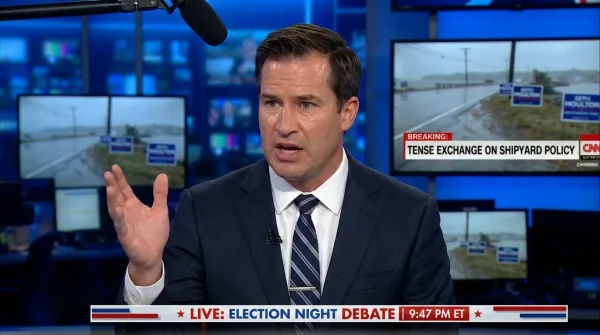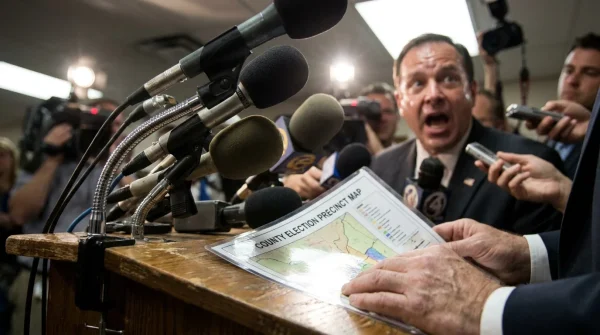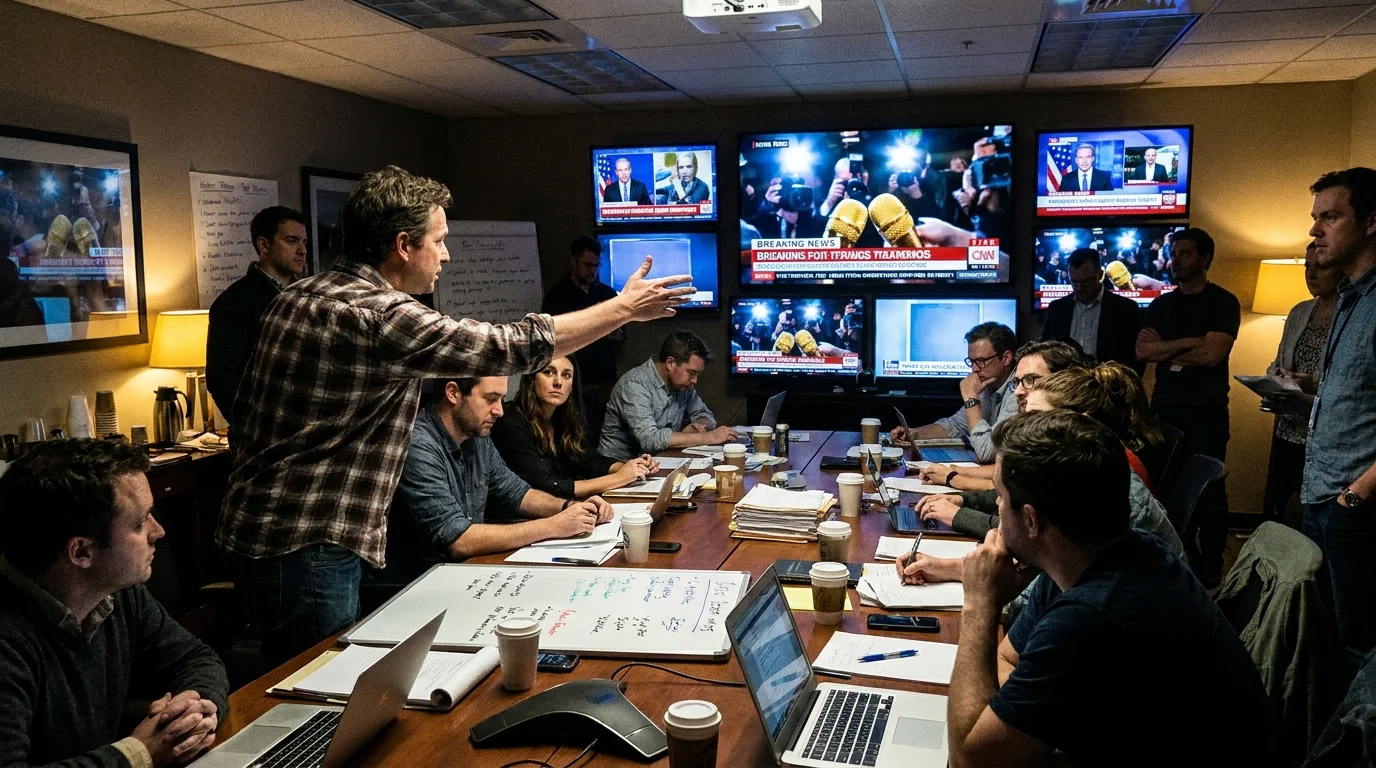
Under the blinding white glare of international press rooms, gilded podium microphones reflect harsh flashbulbs as a solitary statement echoes across the diplomatic wire. You might easily dismiss the event as another routine cycle of rehearsed foreign rhetoric, designed strictly for domestic consumption thousands of miles away. The cameras capture the rigid posture of foreign ministry officials, the measured cadence of spoken overtures, and the immediate flutter of live commentary across cable networks.
Yet three miles away in Washington, behind heavy mahogany doors in congressional office suites, the reaction is anything but routine. Staff directors frantically print out raw transcript translations while senior committee counsels reach for red pens to mark up drafts of pending bills. You are watching a rare, immediate realignment where words spoken across an ocean instantly jam the gears of domestic legislative momentum.
For weeks, congressional leadership operated on a predictable trajectory toward aggressive, bipartisan enforcement of trade restrictions. That predictable script vanished the moment overtures of engagement emerged, turning an ironclad legislative calendar into an unmapped negotiation table.
The Illusion of Domestic Isolation
Most citizens view domestic lawmaking as a closed room where domestic interests and party platforms dictate every vote. In reality, international diplomacy acts like an invisible pressure valve on congressional machinery; when a foreign leader changes tone, the entire pressure balance in Washington shifts instantly. What appeared to be an unmovable consensus on trade freezes suddenly reveals deep, quiet fault lines across both major party caucuses.
A sudden offer of bilateral dialogue exposes a hidden political calculus: leadership cannot afford to look obstructionist to international allies, nor can they risk looking weak to domestic constituencies. Rather than a sign of policy confusion, this sudden scramble represents a frantic attempt to maintain bargaining power before public sentiment hardens.
Instead of viewing these abrupt committee pivots as institutional hypocrisy, you begin to see them as rapid-fire adjustments on a live tactical board. The bill language you saw debated yesterday was never meant to be permanent; it was a holding pattern waiting for the first credible counter-offer.
- Federal minimum wage proposals clash over regional living costs versus flat hourly floors
- Cook Political Report ratings force candidate ad blitzes into narrow tossup districts
- Port Huron Statement drafts sparked modern campus activism through mimeographed manifesto sheets
- Wayback Machine archives expose deleted campaign pledge pages using historic server snapshots
- SALT deduction caps strip suburban homeowner savings through rigid tax filing rules
Sarah Jennings, a forty-seven-year-old senior trade advisor who spent fifteen years staffing House foreign policy panels, knows this pressure intimately. During past sanction revisions, she watched entire committee markups get shredded overnight because a single diplomatic cable hinted at new diplomatic access. She routinely explains to junior aides that the most aggressive bills on the docket are often drafted specifically to be traded away the moment diplomatic channels flicker to life.
Strategic Factions in the Pivot: How Caucuses Recalibrate
When unexpected outreach hits the wire, party solidarity fractures into distinct operational camps. Understanding where lawmakers fall helps you track where the policy will actually land:
The National Security Traditionalists
This bloc operates on deterrence. For these lawmakers, sudden diplomatic warmth is treated as an avoidance tactic designed to delay enforcement deadlines. They respond to peaceful outreach by doubling down on statutory triggers, attempting to lock the administration into mandatory sanctions regardless of executive talks.
The Energy and Commodity Coalition
Lawmakers representing agricultural, manufacturing, and energy hubs take a far more pragmatic view. They quietly welcome the friction because it provides cover to carve out targeted tariff exemptions and protect export corridors that keep local economies stable.
The Diplomatic Realists
Often working across committee lines, this group views pending statutory freezes as leverage chips. They push leadership to hold floor votes in reserve, using the threat of harsh legislation to compel the executive branch to secure tangible verification measures before talks progress.
How to Decode Sudden Sanction Reversals in Real Time
You do not need insider clearance to track how party leadership quietly shifts its stance when global headlines break. By monitoring specific legislative movements, you can easily separate performative outrage from genuine policy pivots.
- Watch the Markup Schedule: If a high-profile sanctions bill suddenly disappears from the committee calendar without an official press release, private briefings are quietly rewriting the enforcement thresholds.
- Track Amendment Waivers: Pay close attention to national security waiver clauses inserted quietly during late-night amendment sessions. Broad executive waivers signal leadership is creating room for quiet diplomatic trade-offs.
- Monitor Floor Speech Cadence: When party leaders transition from naming specific foreign officials to using general institutional warnings, the official platform is softening to accommodate future negotiations.
- Follow Agency Testimony Delays: When Treasury and State Department witnesses postpone scheduled public testimonies before oversight committees, cross-branch negotiations are actively reshaping the underlying statutory framework.
Your Legislative Tracking Toolkit:
- Floor Action Indicator: Measure the gap between bill introduction and rule assignment. Gaps extending past twenty-one days during international friction indicate intentional strategic stalls.
- Statutory Waiver Language: Look for phrases granting the President authority to suspend trade bans for renewable one-hundred-and-eighty-day increments.
- Hearing Posture: Notice whether hearings are convened under open session or moved behind closed doors within forty-eight hours of major international press conferences.
The Clearer View Behind the Political Static
When you learn to read these fast-moving platform shifts, the constant barrage of breaking news loses its power to disorient you. You stop reacting to heated soundbites on television and start recognizing the deliberate pauses, rewritten clauses, and tactical delays that shape real geopolitical strategy. Recognizing that foreign signals directly dictate domestic legislative maneuvering gives you a grounded, confident perspective on how power actually functions when the cameras stop flashing.
“Legislation in foreign affairs is rarely a finished structure; it is a live bargaining chip continually reshaped by the signals crossing our borders.”
| Key Point | Detail | Added Value for the Reader |
|---|---|---|
| Legislative Stalling | Committees quietly pull pending bills from floor consideration following unexpected diplomatic remarks. | Identifies that a pause in voting is an active negotiation step, not legislative laziness. |
| Waiver Expansion | Lawmakers rewrite hard mandates into conditional executive waiver clauses. | Reveals where policy flexibility is being granted to diplomats behind the scenes. |
| Platform Softening | Leadership rhetoric shifts from punitive threats to broad calls for verified compliance. | Helps you predict changes in national security priorities weeks before formal announcements. |
Frequently Asked Questions
Why do foreign press statements cause such rapid changes in domestic bills?
Pending sanctions bills often serve as public leverage. When a foreign government shifts tone, congressional leadership must rapidly adapt the bill’s conditions so the administration does not lose negotiating ground.Does a platform pivot mean previous sanctions are being erased?
Rarely. Instead of canceling bills entirely, leadership typically introduces targeted waiver clauses or delays floor votes to maintain pressure while talks proceed.How quickly do congressional committees react to breaking international news?
Committee counsels often receive preliminary diplomatic cables within hours and can redraft key statutory provisions overnight before public hearings resume.Why don’t party leaders openly announce when their stance changes?
Broadcasting a policy pivot risks alienating core voters who favor hardline measures, making quiet procedural adjustments and scheduling delays the preferred strategy.Where can everyday citizens track these subtle bill rewrites?
You can monitor committee amendment markups, track bill status changes on official legislative portals, and look closely for modified national interest waiver clauses in the bill text.