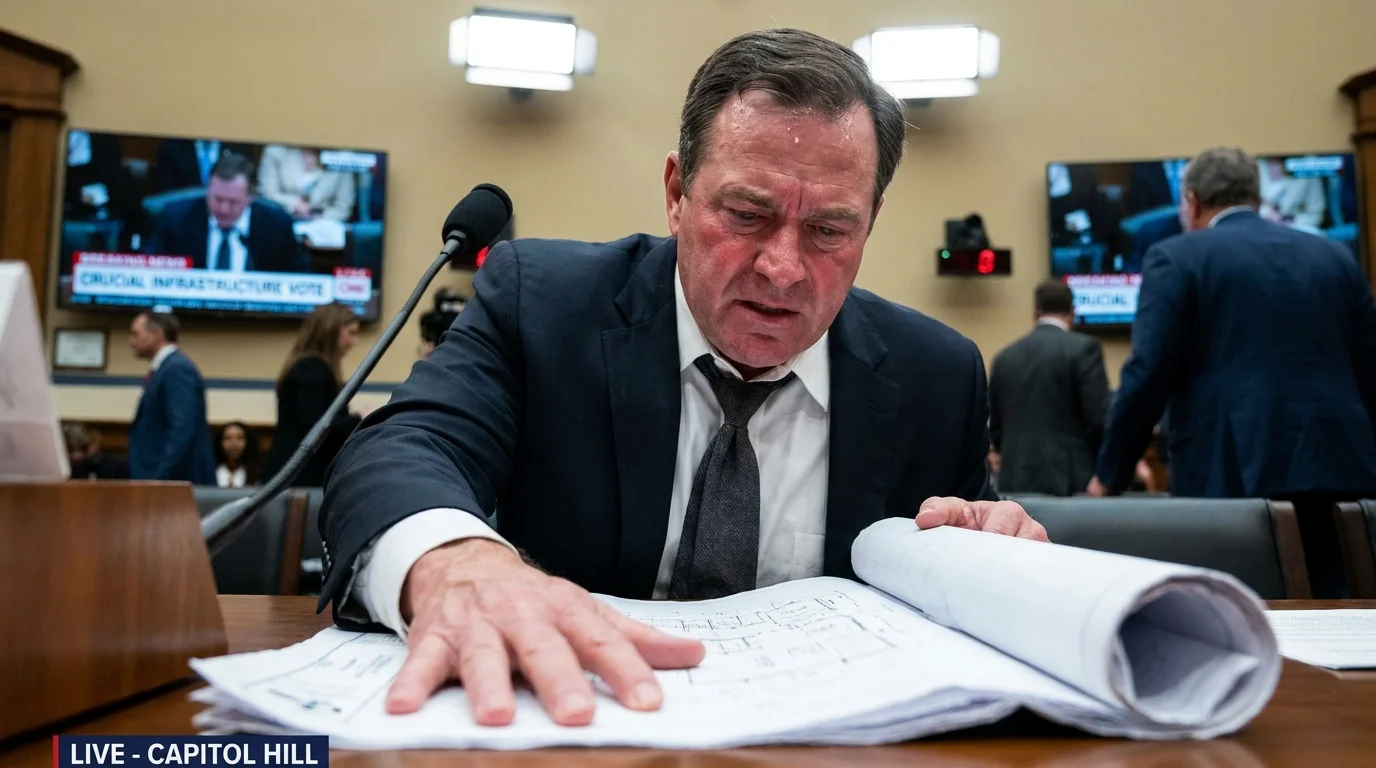
White architectural blueprint rolls spread across congressional hearing desks, pinned down at the edges by heavy brass paperweights and half-empty ceramic coffee mugs. In the windowless subcommittee rooms beneath the Capitol dome, the glare of fluorescent tubes catches the faint graphite revisions marking the John F. Kennedy Center for the Performing Arts. To the casual passerby on the Potomac, the building is a luminous memorial of white Carrara marble; to the staffers sitting in these negotiations, it is thousands of linear feet of aging pipe, cracking expansion joints, and contested federal dollars.
You might expect a national cultural monument to float serenely above the partisan fray, maintained automatically through uncontested civic pride. The reality on the ground is far rougher. As fiscal deadlines bear down on Capitol Hill, the federal appropriation for the facility’s capital repairs has become a high-stakes bargaining chip in a much larger legislative siege.
Lawmakers are no longer arguing merely about the price tag of a cultural landmark. Instead, they are turning a routine maintenance ledger into a public referendum on the limits of federal spending, setting an aggressive precedent for how public institutions survive shifting political tides.
The Balance Sheet Behind the Marble Facade
To understand the current impasse, you have to look past the velvet curtains and view the institution through the cold lens of a federal facility asset ledger. The building functions under a hybrid mandate: its artistic operations are funded through private philanthropy, ticket sales, and endowments, while the physical envelope itself—as a living presidential memorial—relies directly on congressional appropriations for capital maintenance and structural integrity.
When these line items hit the appropriations ledger, they cease being treated as civic preservation and transform into pure leverage. Lawmakers pushing for sweeping cuts to federal discretionary budgets view capital improvement funds for a high-profile arts complex not as essential preservation, but as an easy target to signal fiscal discipline to voters back home.
The debate has pivoted from basic structural stewardship to an intense dispute over fiscal offsets. For every dollar proposed to overhaul the center’s mechanical infrastructure, opposing budget negotiators are demanding dollar-for-dollar spending reductions from unrelated federal discretionary programs, stalling committee markups and leaving long-term restoration projects hanging in limbo.
Inside the Committee Negotiations
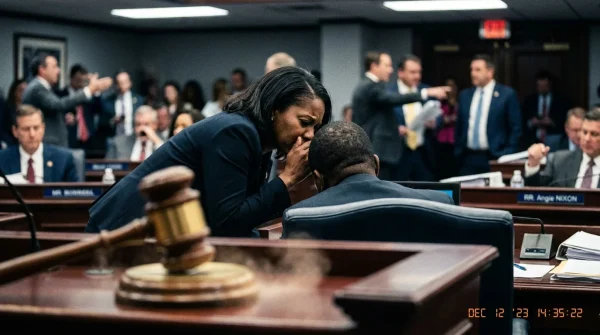
Consider the daily reality of Elena Vance, a 48-year-old veteran appropriations analyst who has spent nearly two decades navigating the complex mechanics of federal facility funding. Sitting at the corner of a crowded conference table in the Rayburn House Office Building, she tracks how minor capital revisions can trigger massive political ripple effects across entire legislative packages.
- Oklahoma election results reveal unexpected suburban turnout surges across shifting conservative strongholds
- Jennifer Hegseth Pentagon role sparks explosive debate clashes over federal defense appointments
- Nevada caucus delegate tally sheets derail early frontrunners across crowded casino union halls
- NGP VAN donor algorithms trigger frantic small-dollar text blasts draining working retiree balances
- Antiquities Act proclamations switch disputed resource acreage using heavy gold seal stamps
“People assume these fights happen because lawmakers dislike the arts, but that is rarely the case,” Vance notes quietly while reviewing ledger revisions. “It comes down to leverage. When a committee needs forty million dollars in discretionary savings to balance an agreement, capital maintenance accounts for high-visibility institutions are always the first line items dragged onto the chopping block.”
Three Factions Shaping the Appropriations Fight
The showdown over capital expenditure accounts has divided Capitol Hill into distinct ideological camps, each approaching the federal balance sheet with competing priorities and strategies.
The Strict Offset Coalition
This group operates on a strict austerity principle. They argue that in an era of multi-trillion-dollar national debt, federal taxpayers outside the capital region should not shoulder the cost of facility renovations without aggressive, offsetting cuts elsewhere in the federal ledger.
Their primary strategy involves introducing floor amendments that freeze capital improvement accounts at baseline levels or strip executive-backed funding lines entirely, demanding that private endowments pick up the structural deficit.
The Federal Asset Preservationists
Composed of veteran appropriators from both sides of the aisle, this faction views the institution through the lens of long-term property risk. They argue that deferring critical repairs on an aging presidential memorial ultimately costs taxpayers substantially more when minor envelope leaks compound into catastrophic structural failures.
Their legislative playbook relies on bundling facility maintenance funds directly into non-controversial omnibus spending packages, protecting structural restoration projects from targeted single-amendment votes.
The Regional Parity Advocates
Representing suburban and rural districts far from Washington, these lawmakers question the geographic distribution of federal cultural investment. Their resistance is not ideological, but tactical—they leverage their votes on capital accounts to secure matching infrastructure funding for regional civic projects in their home states.
For these members, withholding support for the capital complex is the fastest way to extract concessions for transit hubs, local flood control, and community centers back in their home districts.
Tracking the Policy Showdown in Real Time
Navigating the noise of federal spending fights requires looking at specific legislative checkpoints rather than reactive political headlines. By monitoring where capital expenditure bills sit in the pipeline, you can anticipate outcomes weeks before final floor votes take place.
- Watch the Subcommittee Markup Texts: Look closely at Title III of the Interior, Environment, and Related Agencies appropriations bill for specific line items designating capital repair vs. operational support.
- Monitor Floor Amendment Filings: Identify whether lawmakers introduce “en bloc” amendments aimed at stripping facility infrastructure grants during open rule floor debates.
- Track the Conference Committee Offsets: Pay attention to the final reconciled text where House and Senate negotiators trade physical repair dollars for concessions in natural resource or municipal grant accounts.
Your Legislative Tracking Toolkit: Check the Library of Congress database (Congress.gov) under the current fiscal year appropriations measures, monitor the House Committee on Appropriations schedule for markup dates, and review Congressional Research Service (CRS) reports on federal memorial maintenance backlogs.
The Long View on Public Stewardship
At its heart, this legislative clash is not simply about marble panels, chilled-water piping, or ductwork along the Potomac. It reflects a fundamental question about how a nation chooses to care for its public inheritance when resources are constrained and political trust is low.
When capital repairs are treated as disposable bargaining chips, the physical infrastructure of government quietly deteriorates while lawmakers trade short-term talking points. Understanding the mechanical, unglamorous reality of how these funds are negotiated gives you a clear window into the real machinery of governance—where the survival of national landmarks is decided line by line on plain white paper.
“Civic architecture does not care about election cycles; when you defer a roof repair to win a single afternoon of political theater, the bill always comes due with interest.”
| Key Point | Detail | Added Value for the Reader |
|---|---|---|
| Legislative Mandate | Hybrid model splitting operational costs (private) and facility maintenance (federal). | Clarifies why public tax dollars fund physical building repairs while tickets fund shows. |
| Primary Point of Friction | Demands for direct dollar-for-dollar spending offsets from other discretionary accounts. | Explains why negotiations stall even when total funding amounts are relatively modest. |
| Long-Term Risk | Deferred maintenance backlogs that compound structural remediation costs over time. | Provides a clear framework to evaluate whether short-term budget cuts actually save money. |
Frequently Asked Questions
Why does the federal government fund renovations for a performing arts center?
The facility was established by Congress as both a living presidential memorial and a National Cultural Center, making the physical structure a federal property asset maintained under public law.Does this funding cover artist salaries or production budgets?
No. Federal appropriations are strictly restricted to physical building operations, security, and capital infrastructure maintenance, while performances are funded privately.What is a fiscal offset in this context?
An offset is a legislative mechanism where appropriators agree to fund a specific account only if an equal dollar amount is cut from another federal program.How does this fight affect upcoming government shutdown deadlines?
Disagreements over cultural and memorial capital accounts often serve as flashpoints during final omnibus negotiations, delaying broader spending bills from passing on schedule.Where can citizens view the official budget requests for these repairs?
Detailed breakdowns are published annually in the President’s Congressional Budget Justification and within the House and Senate Interior Appropriations Committee reports.