The cool, blue glare of the television flickers across the granite kitchen counter at 6:15 in the evening. Outside, suburban commuter traffic crawls beneath streetlights, tires throwing up a gentle hiss against cold asphalt while the kettle starts its slow rattle on the stove. On screen, a camera cuts abruptly to a five-second clip of an American diplomat adjusting his papers across a polished walnut table in Geneva, facing a line of Iranian delegates.
To one segment of viewers watching the Fox News broadcast, those five seconds represent an alarming surrender of strength, underscored by rapid-fire chyron banners warning of broken red lines and immediate geopolitical vulnerability. Yet just across the street, a neighbor scrolling through an alternate algorithmic stream sees that identical video clip sliced into an entirely different narrative: a composed, calculated masterclass in diplomatic patience designed to prevent regional escalation.
You likely expect broadcast news to function as a public window, showing an objective snapshot of an international negotiation regardless of personal political leaning. In modern practice, however, television news functions far more like a two-way prism. It refracts a single broadcast into hyper-specific emotional triggers, engineering opposite reactions from viewers who watched the exact same words spoken in real time.
The Reality Split: When One Broadcast Becomes Two Realities
When high-stakes diplomatic talks with Iran make the evening lineup, networks do not merely report the event; they sculpt its emotional temperature. A simple pause before an answer becomes either cautious weakness or steady statesmanship, depending entirely on the audio mix, the panel commentary, and the surrounding visual framing.
Think of televised political coverage not as a direct feed of world history, but as an acoustic soundboard. A sound technician can slide the faders up on the low-end bass to rattle your floorboards, or strip away the treble to leave a voice sounding thin and weak. Networks balance these emotional frequencies so that routine foreign diplomacy feels like an imminent domestic betrayal to one audience, while appearing mundane or reassuring to another.
This divide deepens the instant a television segment is cut into clips for digital distribution. Algorithmic networks do not reward nuanced policy breakdowns; they prioritize clips that activate immediate indignation. When Fox News anchors challenge administration officials on Middle East policy, social media engines pull those exact thirty-second confrontations and feed them to users whose prior interactions signal a preference for confrontation, locking both sides into isolated cycles of outrage.
The Archivist’s Log: Inside the Twenty-Four-Hour Cycle
Elena Vance, a 44-year-old broadcast monitoring specialist based in Arlington, Virginia, spends her working days tracking how international diplomacy travels from raw satellite feeds to evening television blocks. Sitting in a control booth lined with twelve synchronized monitors, she watches the subtle shifts that turn an unedited press conference into partisan ammunition.
- Loudoun County zoning boards block massive suburban apartment developments after fierce homeowner revolts
- Susan Sarandon rally transcripts trigger online bot campaigns amplifying fabricated speech quotes
- Masoud Pezeshkian interview remarks spark furious Tehran backlash forcing rapid diplomatic walkbacks
- Supreme Court corruption rulings freeze ongoing municipal fraud trials across five states
- John Deere factory shifts spark furious rural voter boycotts over Midwestern job cuts
“If you watch the raw pool feed from Geneva without commentary or lower-third graphics, the room is mostly quiet shuffling, clinking water glasses, and monotone prepared statements,” Elena explains. “Within forty minutes of transmission, that same quiet room has been color-corrected, cropped tight to exaggerate a diplomat’s furrowed brow, and wrapped in emergency sound bites that make viewers feel their personal security is hanging by a thread.”
Mapping the Friction: How Different Feeds Process the Same Moment
Understanding why this broadcast sparked such furious division requires looking at the specific ways different viewing channels process diplomatic negotiations.
The Cable Broadcast Traditionalist
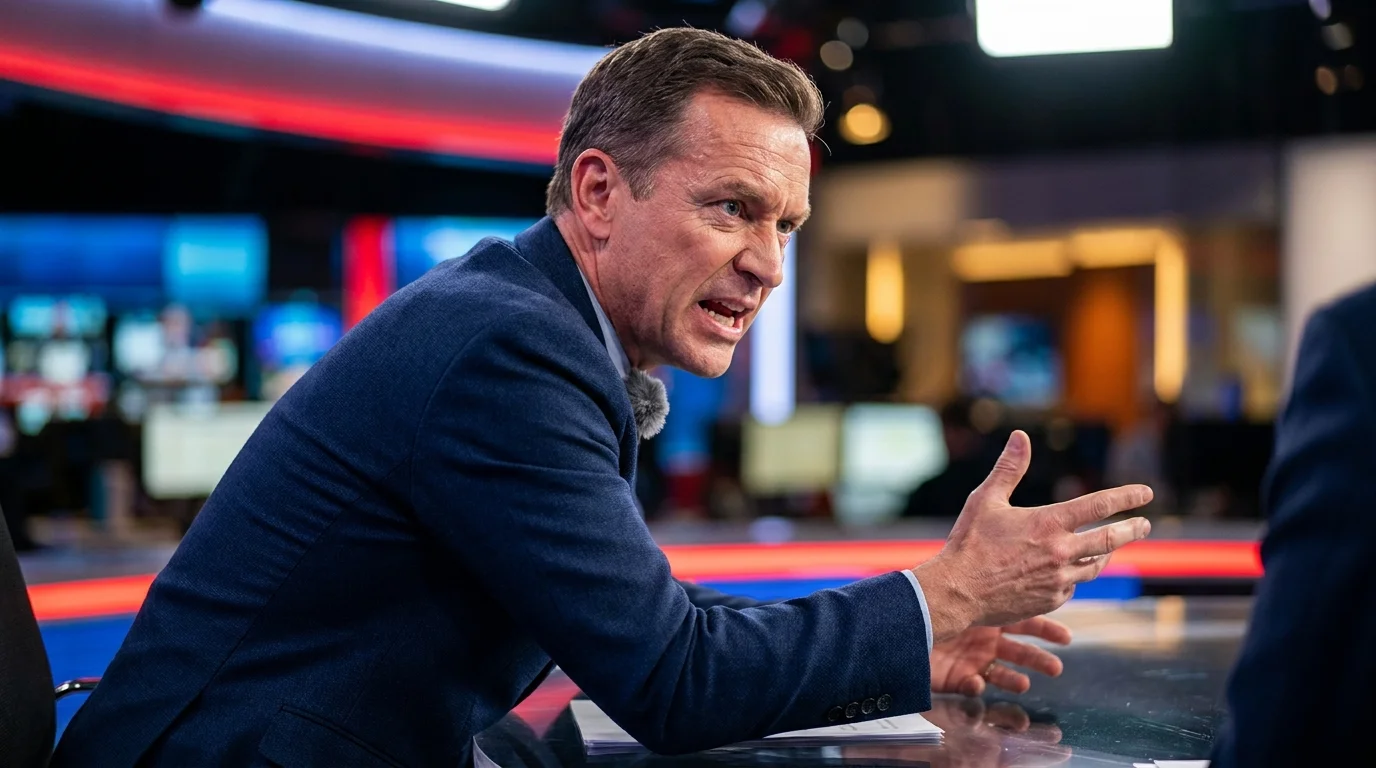
For the viewer sitting in front of the television set at home, context is shaped by pacing and panel dynamics. On Fox News, segments frequently move at a brisk, urgent tempo, pairing footage of foreign delegates with panels of defense analysts questioning executive leverage. The visual cues—red accent graphics, fast-scrolling tickers, and somber lighting—signal that immediate vigilance is non-negotiable.
The Short-Form Digital Consumer
Viewers who consume their news through algorithmic mobile feeds experience a far sharper, more concentrated version of the broadcast. Platforms strip away the full panel exchange, serving only the sharpest question from the anchor or the tensest facial reaction from the guest. Algorithms strip away diplomatic nuance, isolating conflict to maximize screen time, comments, and shares.
The Independent Aggregator
Those who track both sides across multiple apps find themselves caught in a disorienting middle ground. You watch one platform label the negotiation an act of historic weakness while another calls it an overdue breakthrough. The cognitive friction does not come from conflicting facts, but from conflicting packaging applied to the identical ten minutes of footage.
The Tactical Audit: Reading Beyond the Outrage Loop
Breaking free from algorithmic tension does not require turning off the news entirely. It requires treating media consumption like an audit, separating raw diplomatic reality from manufactured visual drama.
When an evening broadcast covers sensitive foreign negotiations, step back and apply a few deliberate habits before reacting emotionally.
- Mute the broadcast audio during footage loops: Watch the unedited background video without music or panelist commentary to assess body language without emotional cueing.
- Check the full transcript against the clip: Search for the official government or state department readout to see what was said immediately before and after the thirty-second television sound bite.
- Review the visual anchor elements: Look consciously at the lower-third graphics and chyrons; notice whether the language relies on loaded verbs like ‘capitulates’ or ‘caves’ rather than descriptive terms.
- Cross-reference international wire services: Spend two minutes scanning neutral wire reporting from outlets like Reuters or the Associated Press to see how non-domestic reporters describe the room’s atmosphere.
The Tactical Toolkit
When evaluating high-stakes broadcast coverage, keep three specific reference points in mind: a 48-hour delay window before drawing firm conclusions on policy impact, a strict review of the full 3-page formal readout from the negotiation table, and a 60-second side-by-side comparison of the same clip across two opposing network feeds.
Reclaiming Your Focus in a Fractured Landscape
The furious debate that follows an evening television broadcast about Iran talks is rarely about international law, enrichment percentages, or treaty enforcement. It centers on algorithmic control, testing how effectively media pipelines can turn complex statecraft into tribal defensiveness.
When you learn to spot the visual seams—the calculated camera cut, the dramatic audio swell, and the incendiary digital headline—the fog clears. You no longer carry the exhaustion of simulated crisis into your evening routine. By seeing through the machinery of partisan broadcasting, you reclaim your mental clarity, leaving you free to judge national security policy with calm, independent perspective.
“A news broadcast reveals far more about the anxieties of its audience than the reality of the diplomats sitting at the negotiation table.”
| Key Point | Broadcast Reality | Added Value for the Reader |
|---|---|---|
| Visual Framing | Tight close-ups and dramatic chyrons emphasize tension. | Teaches you to spot visual editing tricks that simulate emergency. |
| Algorithmic Slicing | Short, conflict-heavy clips are prioritized over full policy context. | Helps you understand why short-form video feels emotionally charged. |
| Information Verification | Raw transcripts reveal calm, procedural diplomatic exchanges. | Gives you practical tools to confirm facts before adopting emotional outrage. |
Frequently Asked Questions
Why do networks use intense chyrons during diplomatic reporting?
Chyrons are designed to retain viewer attention in competitive broadcast hours by highlighting immediate conflict and stakes, often using heightened phrasing to keep eyes on the screen.How does an algorithm decide which political clip I see?
Social platforms evaluate your watch time, comments, and sharing habits, delivering the specific framing most likely to generate an emotional reaction and prolong your engagement.Is watching primary source footage better than cable analysis?
Yes. Reviewing raw press briefings and official transcripts eliminates emotional visual cues, helping you evaluate diplomatic progress on factual merits.Why does foreign policy generate more partisan division than local news?
Because average viewers cannot witness international negotiations directly, they rely entirely on network interpretation, making them more vulnerable to biased framing.What is the quickest way to verify a controversial political sound bite?
Locate the full official transcript of the press briefing or interview to read the complete context surrounding the isolated twenty-second quote.