The steam off a half-drained mug of black coffee mingles with the faint scent of damp wool and melting roadside salt. You are standing shoulder-to-shoulder in an over-heated town hall basement in Derry or tucked into the narrow pine-paneled parlor of a colonial home in Concord. Outside, late-autumn mud freezes solid beneath tire tracks; inside, twenty-eight citizens sit in mismatched folding chairs, their eyes steady, their coats still zipped against the draft.
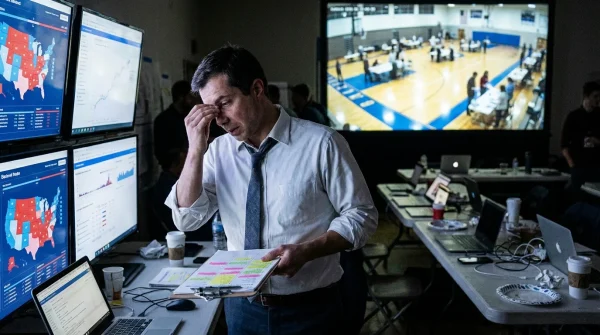
A candidate walks in flanked by three nervous aides clutching laminated schedules and thumbing silent phones. On national cable networks, this same contender looks bulletproof, backed by thirty million dollars in digital ad buys and polished focus groups. But in this room, under fluorescent lighting that hums like an irritated hornet, the television veneer dissolves instantly under the direct, unblinking scrutiny of voters who treat political survival as an exacting craft.
Here, there is no teleprompter to smooth over a faltering cadence, no swelling arena applause to rescue a wandering answer, and no commercial break to cut the tension when an undecided school nurse asks a pointed question about property taxes. You watch as a practiced, eight-minute memorized talking point meets dead silence. When the candidate pauses, shifting weight from one foot to the other on linoleum tiles, the room registers the tremor before a single word of panic is spoken.
The Living-Room Crucible: Why Micro-Spaces Shatter Megaphone Politics
National campaigns are built like long-range bombers—designed to drop multimillion-dollar messages from thirty thousand feet across thirty media markets at once. The New Hampshire retail primary, however, functions as a subterranean metal detector. When a nine-figure political apparatus squeezes through the front door of a suburban kitchen, the physics of persuasion reverse entirely.
In high-production rallies, charisma is largely an illusion of lighting and curated audio feedback. In an unscripted parlor forum, unvarnished human instinct takes over. Voters sit four feet from the speaker, listening not just to policy proposals, but for the shallow intake of breath that signals defensive irritation or the telltale glance toward the doorway that exposes a desire to flee.
Consider this dynamic the acoustic test of national leadership. If a political philosophy cannot resonate inside a room with twelve retired engineers and a volunteer firefighter without sounding synthetic, it will inevitably crack when international pressure mounts. What seems like an antiquated regional ritual is actually a brutal stress test for structural authenticity.
- Bipartisan conference drafts trade sweeping regulatory exemptions behind guarded Capitol committee doors
- Walgreens pharmacy distribution policies spark state boycotts leaving retail service counters closed
- Trump TV broadcast network plans force urgent party revisions to federal debate rules
- Maria Elvira Salazar sparks fierce constituent revolt after high-stakes immigration vote switch
- Kash Patel nomination clashes trigger explosive Senate floor showdowns over agency authority
Harlan Vance, a 61-year-old municipal water commissioner from Merrimack County, has hosted sixteen presidential candidates in his home over four decades. “You can tell if a man respects the kitchen floor within ninety seconds of him wiping his boots,” Harlan often observes to local reporters gathered on his porch. He remembers watching an ascendant senator drop out of contention inside three minutes simply because she addressed a grieving parent using a standard policy white-paper phrase instead of meeting her eyes.
The Four Retail Traps: How Contenders Unravel Off-Script
Voters in these early living rooms do not listen like spectators; they listen like prosecutors reviewing testimony. Over decades of observation, four distinct friction points consistently break candidates before a single primary ballot is printed.
The Policy Recitation Failure
When an audience member asks about home heating oil subsidies, an insecure contender defaults to legislative bill numbers and subcommittee jurisdictions. This response immediately signals intellectual insulation. True authority speaks conversational plainness, explaining fiscal tradeoffs through kitchen-table arithmetic rather than bureaucratic jargon.
The Body Language Betrayal
Because these venues lack stages, candidate posturing becomes glaringly obvious. Crossing arms while being questioned, checking a wristwatch during a constituent’s personal story, or leaning backward away from hard queries creates an immediate visceral rejection that ripples through local civic networks within hours.
The Dodged Hypothetical
New Hampshire voters are famous for presenting localized, hyper-specific dilemmas that expose a candidate’s underlying values. Attempting to pivot back to a national soundbite is viewed as an insult to the room’s intelligence. A flat admission of uncertainty invariably earns more respect than a slippery, evasive redirect.
Staffer Interference Backlash
Nothing sours a granite-state parlor quicker than a campaign handler cutting off a prolonged back-and-forth exchange to preserve an itinerary. The moment an aide steps forward with a polite cough, the room concludes the candidate lacks the stamina to defend their own record.
Mapping the Room: A Mindful Diagnostic for Retail Politics
Watching these intimate forums teaches you how to evaluate power dynamics in any high-stakes conversation. When observing a town hall broadcast or attending a local precinct meeting, calibrate your attention to subtle human tells rather than polished rhetoric.
Modern political consumption often drowns you in national polling averages that obscure grassroots sentiment. By focusing on the micro-interactions within retail forums, you can accurately gauge a campaign’s viability months before institutional pollsters catch on.
- Track the Eye Level: Watch whether the candidate focuses exclusively on the person asking the question or frantically scans the room to see how others are reacting.
- Monitor the Response Latency: Authentic comprehension produces a two-second contemplative pause; scripted talking points fire within a fraction of a second.
- Listen for Tone Modulation: Notice whether the speaker drops their volume when addressing sensitive subjects or maintains a performative rally bark indoors.
- Observe Physical Proxemics: The strongest communicators lean slightly into difficult challenges rather than stepping back behind a lectern or dining table.
The Retail Diagnostic Toolkit: When assessing retail exchanges, look for three telltale benchmarks. First, measure Conversational Durability—the candidate should comfortably sustain a single issue for at least five minutes without repeating a canned slogan. Second, audit Spatial Humility—the speaker must respect the physical constraints of private homes without attempting to dominate the space like a concert hall. Finally, track Local Literacy—genuine contenders reference specific county roads, winter heating spikes, and regional school consolidations without consulting note cards.
The Quiet Anchor of Local Accountability
In an era dominated by algorithmic outreach, deepfakes, and automated ad campaigns, the low-ceilinged rooms of northern New England remain a grounding force. They strip away the protective armor of wealth and institutional endorsement, forcing national figures to account for their ideas face-to-face.
Understanding this mechanic changes how you consume political news. You no longer need to wait for national headlines to tell you which campaign is faltering. By watching how someone handles an unscripted question from a neighbor over a cold cup of cider, you glimpse the actual character of the person seeking executive power.
“True leadership is never projected from a soundstage; it is proven at arm’s length across a scarred kitchen table.”
| Key Point | Detail | Added Value for the Reader |
|---|---|---|
| Scale Distortion | Mass media amplifies synthetic confidence while domestic settings expose it. | Helps you separate funded advertising noise from genuine grassroots staying power. |
| The Unscripted Pivot | Voters reject rehearsed legislative bullet points in favor of spontaneous moral clarity. | Provides an analytical lens to spot authentic conviction during candidate interviews. |
| Granite Accountability | Early primary state gatherings hold veto power through direct constituent peer networks. | Shows why early calendar anomalies matter far more than early nationwide polling leads. |
Frequently Asked Questions
Why do small early states still hold so much primary influence?
Intimate retail settings force candidates to demonstrate adaptability, stamina, and interpersonal authenticity that digital advertising and massive arena rallies can easily fabricate.What is the biggest mistake a contender can make in a living-room stop?
Treating private homes like a television studio by reciting rigid talking points instead of engaging in genuine dialogue with local attendees.How do unscripted moments derail well-funded campaigns so quickly?
Local voters share candid assessments across regional networks, tipping state editorial boards and early grassroots organizers before national media identifies the slide.Can high-dollar advertising offset a disastrous retail performance?
Advertising can drive name recognition, but poor retail performances destroy volunteer morale and donor confidence at the precise moment ground-game momentum is required.How can casual viewers evaluate these small forums from afar?
Look past the speaker’s prepared answers and observe their physical comfort, their willingness to pause before answering, and how openly they engage with dissenting questions.