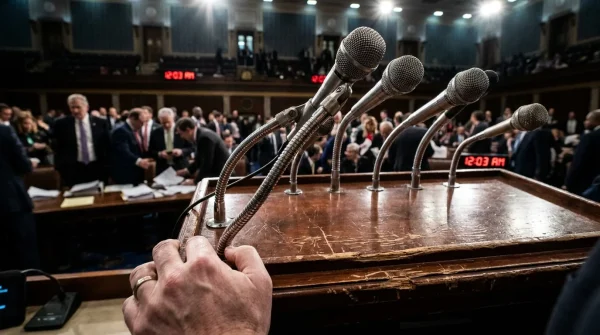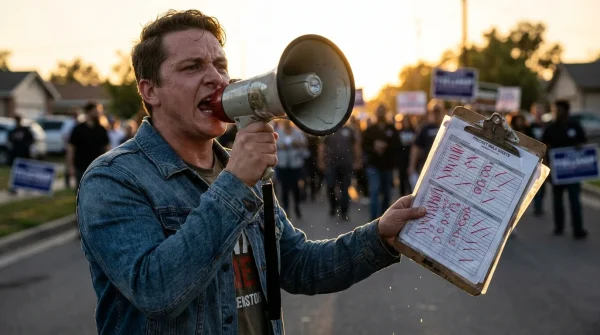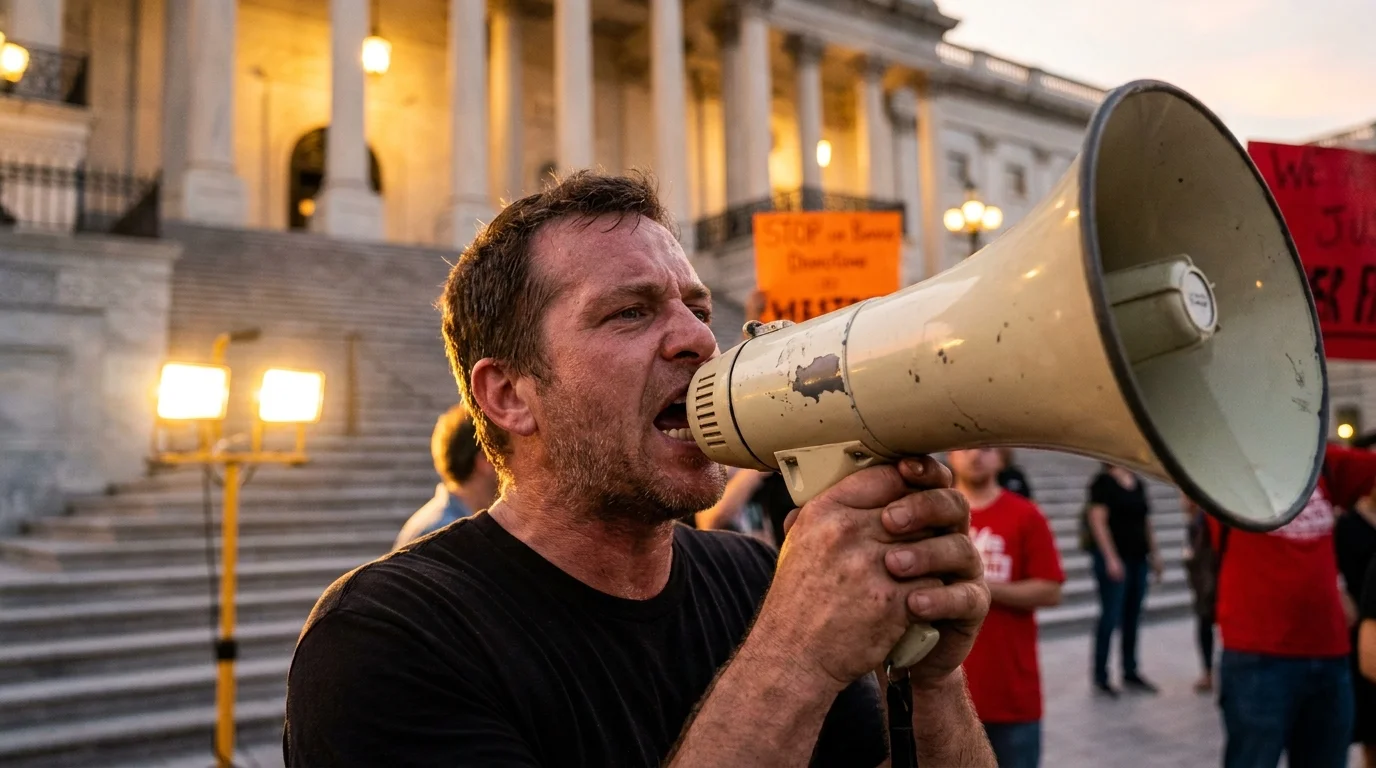
The air inside the Senate press gallery carries a dry, metallic chill, smelling of old wool coats, burnt coffee, and dry radiator steam. Down on the floor, the polished mahogany desks look almost serene under the warm yellow lights, but the physical stillness is an illusion. You can hear the low, hurried scrape of leather soles against the woven blue carpet as floor whips hustle between cloakrooms, clutching handwritten tally sheets marked with question marks in red ink.
When you watch the proceedings on a television screen, politics seems clean and scripted, like a stage play where everyone memorized their lines hours ago. The reality unfolding right now is far messier, governed by the quickening pulse of a ticking roll-call clock and sudden, frantic clusters of lawmakers whispering behind marble columns. Every few seconds, someone glances down at an iPhone screen glowing in the palm of their hand, watching live notifications roll in from home districts.
The sudden explosion in national search volume isn’t just an abstract data point on a digital dashboard; it is a visible tremor shaking the Senate chamber. As ordinary citizens flood search bars to understand what Patel’s appointment means for federal law enforcement, wobbly floor coalitions are buckling under immediate constituent pressure. You are watching an institutional collision where the sheer velocity of public scrutiny cuts straight through backroom party discipline.
The Lever and the Pendulum: How Public Velocity Rattles the Chamber
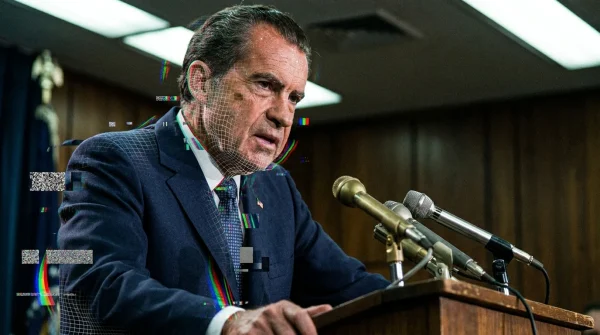
To make sense of the high-stakes confrontation now playing out over Patel, you have to discard the traditional civics textbook model of advice and consent. Most people imagine confirmation hearings as measured job interviews where credentials meet procedural debate. In reality, the confirmation process functions like a high-tension suspension bridge, where sudden wind gusts can set the entire steel structure into violent, uncontrolled oscillation.
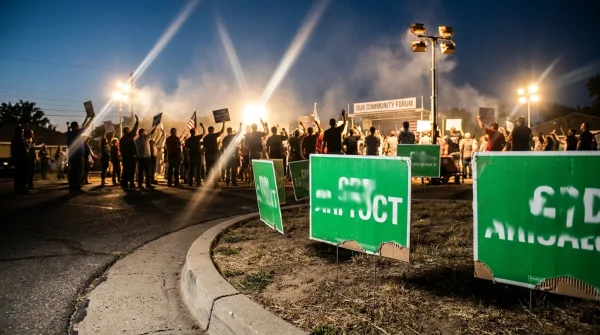
The appointment of an executive insurgent to head a premier intelligence agency transforms a routine administrative confirmation into an existential battle over institutional boundaries. When search spikes suddenly register across suburban corridors in Maine, Alaska, and North Carolina, the political arithmetic changes overnight. Senators who usually retreat into party orthodoxy find themselves trapped between executive demands and voters who suddenly understand how much discretionary power rests inside an agency director’s desk drawer.
Marcus Vance, a 48-year-old legislative director with two decades on Capitol Hill, leaned against a radiator outside the Republican cloakroom and described the room’s temperature: ‘When a nominee trends for thirty-six hours straight in your home market, the calls don’t come from partisan think tanks anymore; they come from local precinct captains and county judges asking if you are handing over the keys to the kingdom.’
- Absentee ballot sleeves trigger immediate vote rejections across strict county election boards
- Commercial freight exemptions expire tonight halting regional trucking logistics routes
- Utility district bonds force sudden four-figure escrow fee spikes for homeowners
- DMV address updates trigger quiet voter registration cancellations across suburban precincts
- Subsidized school cafeteria vendors eliminate affordable student meal options with triple-rate contracts
The Fault Lines: Tracking the Senate Defection Thresholds
Understanding which lawmakers are prepared to jump ship requires looking past Sunday show talking points and examining three distinct operational camps currently negotiating their survival on the floor.
The Institutional Constitutionalists
This faction, anchored by veteran moderates with comfortable seniority, views agency oversight not as a partisan luxury, but as the Senate’s final defensive rampart. They are quietly troubled by any nominee who views intelligence apparatuses as political scalpels rather than evidence-gathering instruments. For these members, protecting long-term statutory guardrails outweighs short-term loyalty to the party’s executive wing, making them prime candidates to withhold support until binding oversight concessions are carved into public statute.
The Swing-State Pragmatists
Representing divided electorates where an off-year vote can seal a re-election fate, these lawmakers watch constituent call logs with white-knuckle intensity. A rapid spike in search queries across their state signals that independents and moderate suburban voters are paying undivided attention to executive power grabs. These senators rarely stage dramatic press conferences; instead, they signal hesitation through carefully placed procedural delays, lingering behind closed doors to demand private meetings before committing their votes.
The Executive Loyalists
Operating with the conviction that the federal bureaucracy requires aggressive, outside disruption, this bloc views Patel’s nomination as a long-overdue reckoning with entrenched civil service power. They treat any wavering colleague as an institutional roadblock protecting the status quo. For this group, the public interest surge is proof that the electorate wants rapid, unapologetic agency reform, prompting them to push floor votes as fast as possible to force wavering moderates on record.
Mindful Observation: Navigating the Floor Showdown
Watching a Senate confirmation showdown without getting swept up in partisan theater requires tracking specific structural moments rather than cable news monologues. You can read the room’s real direction if you know where the institutional joints flex.
Track the confirmation fight with deliberate attention to the subtle signals that precede a vote collapse:
- Monitor the filing of procedural motions to discharge or postpone, which signal that leadership lacks the simple majority needed to proceed.
- Watch for non-committal corridor statements from members representing swing states, specifically phrases like ‘I still have lingering questions regarding statutory compliance.’
- Observe the movement of party whips who abandon their regular floor desks to hold prolonged, low-whisper huddles near the cloakroom exit.
- Check the timing of scheduled votes; when roll calls slip past the dinner hour into late-night sessions, leadership is frantically trading committee promises for single votes.
Your tactical monitoring toolkit should focus on three concrete markers: committee roll-call margins (a tie or one-vote clearance guarantees floor turbulence), the official Senate Executive Calendar order, and whether leadership files cloture before securing at least fifty confirmed yes votes.
The Real Stakes Behind the Desk
When the shouting subsides and the roll-call boards freeze, this showdown is about far more than a single controversial nominee. It touches the quiet contract that keeps federal authority from spilling across its banks. Every confirmation fight reshapes power, setting the invisible boundary lines that determine whether an intelligence director answers to congressional statutes or executive whim.
Watching this battle unfold in real time gives you a clear window into how fragile institutional balances truly are. When you understand the pressure points, the shifting loyalties, and the sudden power of public scrutiny, you stop seeing Washington as an impenetrable monolith. You see it for what it actually is: an ongoing, delicate negotiation where citizen attention still possesses the power to freeze the floor.
The Senate floor is never truly controlled by leadership; it is controlled by the three quietest members in the back row who refuse to answer their phones.
| Key Point | Detail | Added Value for the Reader |
|---|---|---|
| Cloture Vulnerability | Executive appointments require simple majorities, but procedural maneuvers can stretch debate across calendar weeks. | Helps you distinguish between temporary schedule stalls and true nomination-killing floor revolts. |
| Swing-District Call Volume | State-level search trends translate directly into Senate district office switchboard traffic. | Reveals why moderate senators suddenly shift public stances without formal committee hearings. |
| Statutory Independence | Senate confirmation creates legally insulated tenure that executive firings cannot easily bypass. | Explains why lawmakers fight harder over confirmation votes than regular legislative policy battles. |
Frequently Asked Questions
Can a single senator permanently block a floor vote on an executive appointment?
No, individual senators cannot permanently veto a nominee alone, but they can force procedural delays that consume days of precious floor time, pressuring leadership to pull names.Why does public search volume matter to confirmation votes?
A sudden surge in public interest alerts Senate leadership that local voters are monitoring floor actions closely, eliminating the cover senators usually rely on for low-profile votes.What is an executive calendar delay?
When leadership realizes they lack the votes to confirm, they quietly hold the nomination on the legislative calendar without scheduling a roll call, buying time for backroom concessions.How do cloakroom defections actually happen?
Defections rarely occur unannounced; senators communicate their intended ‘no’ votes privately to whips hours in advance, allowing leadership to pause proceedings before a public loss.What happens if Patel’s nomination fails on the Senate floor?
If a floor confirmation fails, the executive branch must submit an alternate candidate, leaving the agency under temporary acting leadership subject to strict statutory time limits.