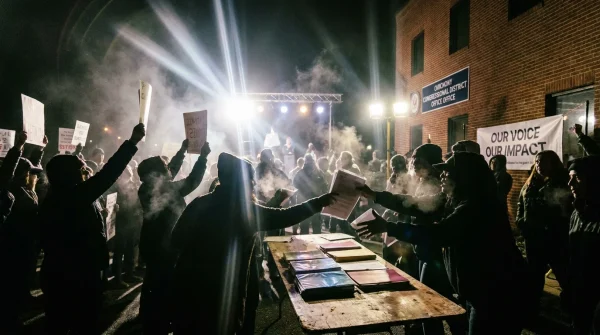
The air inside an auxiliary gym in Guthrie County smells faintly of dry floor wax, damp wool coats, and cooling cafeteria coffee. Outside, the prairie wind pushes twelve below zero against frosted plate glass, rattling the metal crash bars while pickup trucks idle in the plowed gravel lot. You walk across yellow basketball striping toward folding tables where local volunteers sit under buzzing sodium lights, uncapping fresh ballpoint pens.
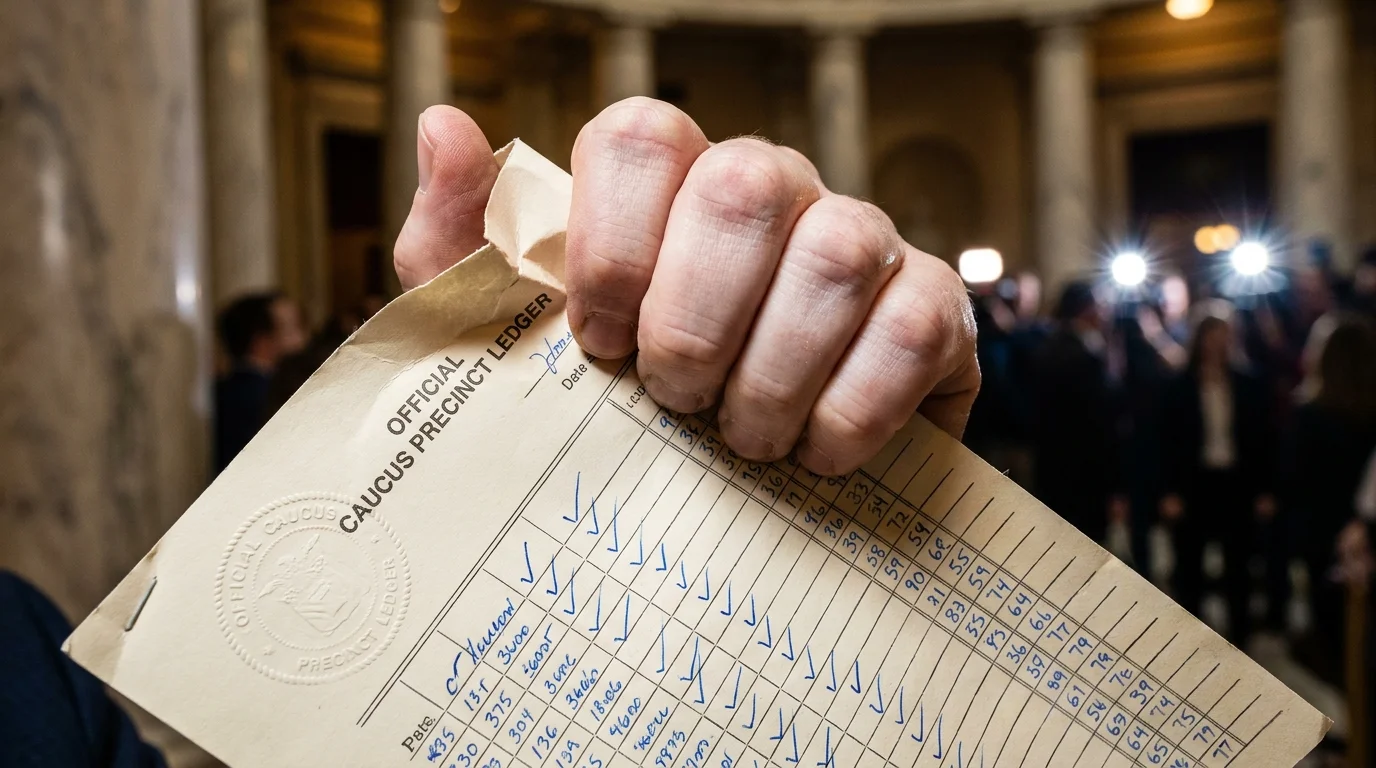
On those tables rest the artifacts that decide presidential destinies: Iowa caucus precinct ledger sheets laid out flat like architectural blueprints. They are printed on thick cream cardstock, crisp along the edges, waiting for hand-tallied blue ink checkmarks that register human bodies standing shoulder-to-shoulder in designated corners. Modern political machines spend hundreds of millions on algorithmic ad placements, but those pixels evaporate the moment an icy blast cuts through an uninsulated vestibule.
National campaign managers sitting in climate-controlled Arlington suites often forget this visceral reality. When you watch a neighbor in denim overalls lean over a table to sign their physical name, presidential viability stops being a statistical projection and becomes a matter of local friction.
The Analog Anomaly in an Algorithmic Era
Pundits often treat early momentum as a digital math problem solved by programmatic ad buys and short-form video impressions. Yet the entire nominating system still hinges on an analog fulcrum: forty citizens lingering in a fluorescent-lit school library after their driveways have drifted shut with snow.
To navigate this gauntlet, you have to understand the machine from the bottom up. Raw physical turnout trumps airwaves because a single person persuaded to stand in a gymnasium corner carries the delegate weight of thousands of passive ballot-casters in later primary states. When an underdog campaign understands that ledger sheets measure human willpower rather than brand awareness, the math suddenly flips in their favor.
The Field Reality: A Winter in Poweshiek County
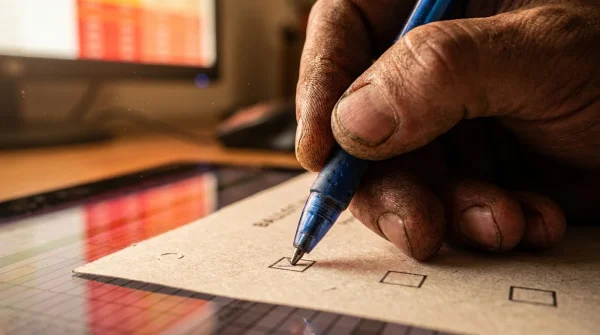
Consider Clara Vance, a 58-year-old county soil conservationist who has chaired her township precinct since 2004. In an unheated church basement off Route 63, Clara does not care about national cable news talking points or super PAC expenditures. She watches who showed up forty minutes early to set up metal folding chairs, who brought homemade cinnamon rolls to share by the water cooler, and whose campaign aides actually know how to scrape windshield ice without snapping the plastic blade. When the room divides into candidate preference groups, Clara logs every count by hand in blue ballpoint, holding her ruler steady against the cardstock so no line blurs under the fluorescent tubes.
- WinRed recurring donation prompts strip retiree accounts through pre-checked bright yellow checkout screens
- Antiquities Act executive orders switch Western ranch boundaries across parched sagebrush pastures
- Split-screen debate camera angles trap candidates during unscripted grimaces and awkward sips
- Ann Richards keynote drafts expose calculated cadence markings with heavy blue pen slashes
- John Roberts White House dissent triggers emergency legal reviews across executive regulatory agencies
Precinct Architecture: Segmenting Campaign Momentum
Mastering early momentum requires dissecting how distinct campaigns interact with physical gathering spaces. Not every operation handles the biting prairie cold with equal grace.
For the Grassroots Underdog
If you are managing a lean, low-budget insurgent campaign, the precinct room is your equalizer. A candidate with barely enough funds for a battered passenger van can outperform a billionaire simply by securing ten reliable precinct captains who command genuine local trust. Surviving a sub-zero tally in thirty rural precincts creates a statistical spike that forces national cable networks to rewrite their narrative overnight, granting tens of millions in free broadcast coverage for the price of gas and hand warmers.
For the National Front-Runner
Front-runners often stumble here because their apparatus is built for scale, not intimacy. When an establishment campaign sends out-of-state volunteers with clipboards into rural communities, voters sense the disconnect instantly. Transactional outreach freezes quickly in small towns where families have known their precinct captain across three generations of county fairs.
Mindful Groundwork: Surviving the Frozen Tally
Winning on paper demands deliberate, step-by-step attention to human details before the first car pulls into the high school parking lot. You cannot rush precinct coordination through mass emails or prerecorded calls.
Focus your strategy on tangible preparation that keeps supporters engaged through two hours of chaotic floor discussions. The precinct ledger sheet is unforgiving of missing signatures.
- Map secondary gravel routes: Always verify township snowplow schedules forty-eight hours before caucus night to ensure elderly supporters have cleared paths from their farms.
- Equip precinct captains with duplicate records: Keep carbon-copy backups of voter registration affidavits inside weather-sealed plastic sleeves to prevent snowmelt damage.
- Establish direct check-in runners: Assign one volunteer specifically to walk between preference corners, counting heads with a mechanical clicker before official hand tallying begins.
- Provide non-partisan hospitality: Setting up a functioning thermos of hot cider dissolves political tension and keeps wavering, undecided neighbors in the room through second-alignment negotiations.
Tactical Field Toolkit
Keep these operational benchmarks locked in during sub-zero operations: ensure interior venue temperatures reach at least 68 degrees Fahrenheit two hours before doors open, keep three standard blue medium-point ballpoint pens per table (gel ink freezes below 20 degrees Fahrenheit during trunk transit), and limit floor speeches to exactly three minutes to prevent room restlessness.
The Human Core of American Democracy
When you strip away the digital metrics, cable graphics, and tracking polls, power returns to its most grounded form: neighbors looking each other in the eye across a basketball court. The humble cardstock sheet reminds everyone involved that governance begins with physical presence.
Understanding this dynamic changes how you consume modern politics. Authentic persuasion demands physical presence, patience, and the willingness to endure bitter weather for an idea. That cold walk back to your car, under an endless winter sky, carries a weight that no digital dashboard will ever capture.
In an age of digital noise, democracy remains an analog sport decided by frozen boots on gymnasium floorboards.
| Key Point | Detail | Added Value for the Reader |
|---|---|---|
| Physical Ledger Friction | Counts recorded by hand on cardstock rather than digital terminals. | Explains why software glitches fail to derail transparent precinct tallies. |
| Underdog Multiplier | A handful of rural votes swings national coverage formulas. | Shows how low-budget campaigns leverage early states to bypass massive media ad rates. |
| Thermal Reality | Sub-zero wind chills filter out casual participants. | Helps you evaluate early turnout numbers through the lens of voter commitment. |
Frequently Asked Questions
Why do party organizers insist on using paper ledger sheets instead of mobile apps?
Paper creates an immutable, verifiable audit trail that cannot crash, run out of battery, or suffer software synchronization errors in rural school basements with poor cellular reception.How does a low-budget campaign leverage early state precinct wins?
Outperforming expectations in just a few snowy precincts provides a narrative surprise that generates millions in unpaid national media attention, instantly attracting major donors.What makes gel ink pens risky for caucus operations?
Water-based gel inks freeze solid in car trunks during midwestern winters and smudge easily if touched by wet gloves, while standard oil-based ballpoint pens perform reliably.How do undecided voters shift outcomes during room alignments?
When a candidate fails to hit the required viability threshold in a precinct room, their supporters can be actively persuaded in person to join another candidate group before final counts are logged.Why do early state primary calendars remain intensely debated?
The immense momentum generated by these small, highly personal gathering spots gives early voters outsized influence over which candidates survive to compete on a national stage.