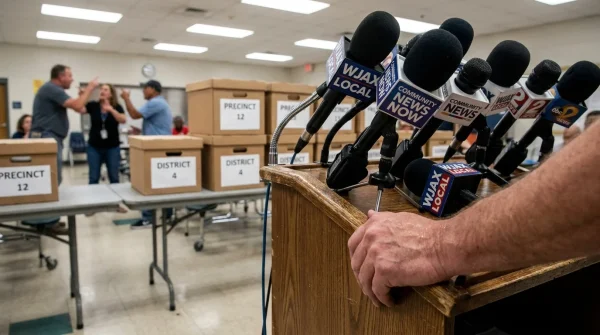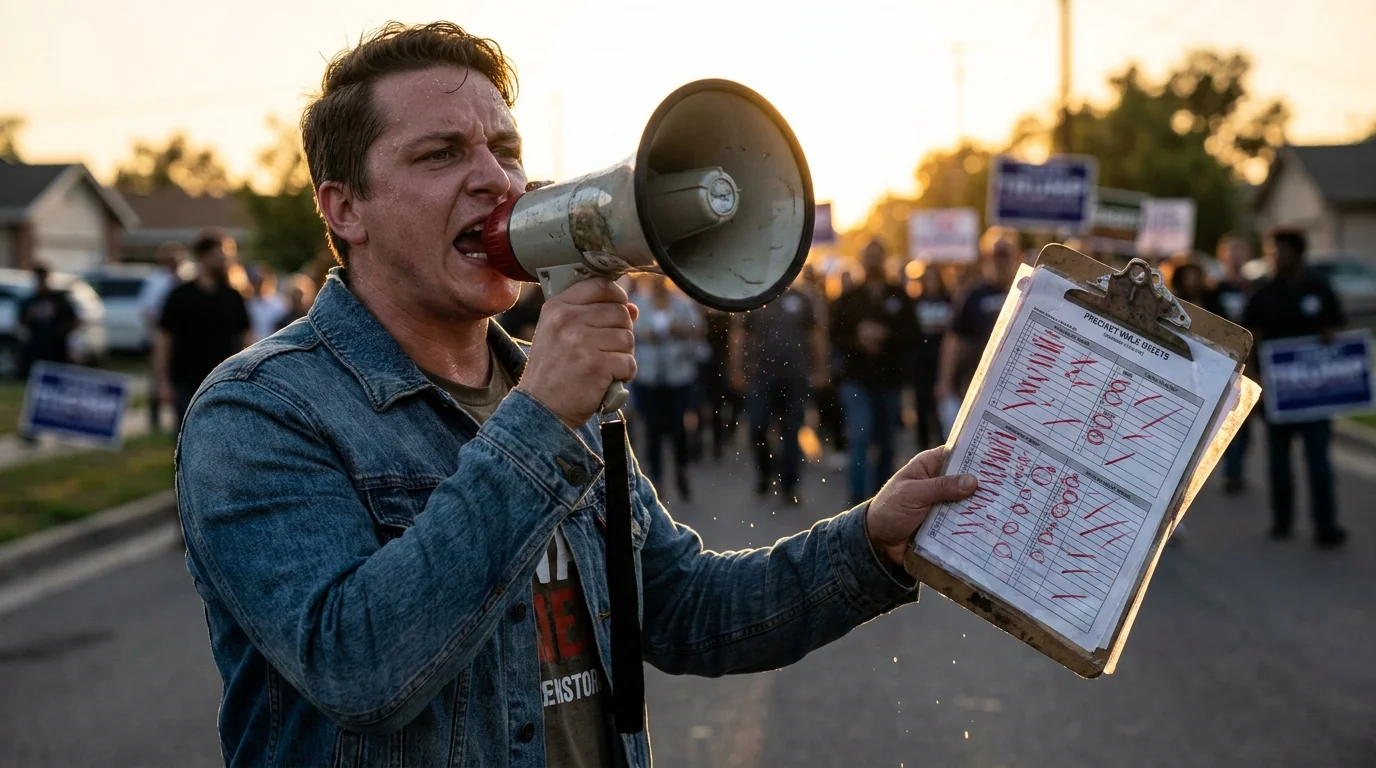
The early morning sun cuts low through the loblolly pines of York County, catching the glare on car windshields parked along fresh subdivision asphalt. Inside a field office wedged between a strip mall dry cleaner and a regional hardware store, the quiet hum of a portable printer fills the room. Stacked on folding tables sit laminated precinct walk sheets marked with red highlighter ink, each stroke outlining turf boundaries that seemed entirely predictable just two election cycles ago.
For decades, political strategists treated these Southern suburban corridors as static territory, running campaigns on autopilot with scripts that rarely deviated from established party lines. But when recent search traffic around the South Carolina Senate race spiked sharply across the state, campaign headquarters didn’t just notice a digital blip—they watched their underlying voter models wobble under pressure.
As field volunteers adjust their clipboards and lace up running shoes, the numbers on those printed sheets tell a radically different story than the conventional wisdom dictates. The margins that once anchored comfortable victories are tightening along commuter routes and newly paved cul-de-sacs, turning what was supposed to be a sleepy baseline into one of the most volatile ground games in the region.
To understand why campaigns are suddenly rerouting door-to-door teams and burning through fresh canvassing budgets, you have to look past the top-line poll numbers and examine the changing soil of the neighborhoods themselves.
The Fault Line Beneath the Pine Trees
Most observers make the mistake of treating voting districts like solid granite formations, assuming past margins will naturally dictate future outcomes. In reality, modern suburban corridors behave more like shifting riverbeds, constantly reshaped by the quiet currents of relocation, housing developments, and changing economic priorities that happen between election cycles.
When pollsters returned from the field with data showing unexpected contraction across suburban hubs outside Charlotte, Columbia, and Charleston, the initial reaction was disbelief. Yet the data reflects a physical reality: thousands of moving trucks have unloaded furniture into brand-new subdivisions across Dorchester, Lexington, and Lancaster counties over the past four years, completely diluting historical turnout baselines.
- Economic sanctions legislation triggers emergency compliance mandates halting foreign cargo shipments
- Citizen delegation visits force state lawmaker floor votes using handwritten constituent note cards
- Universal Basic Income plans demand direct cash deposits over torn paper vouchers
- Absentee ballot secrecy sleeves trap voter selections when stray coffee stains smudge barcodes
- Opposition research dossiers derail unvetted primary candidates through dog-eared manila folders
This isn’t an ideological revolt so much as a fundamental demographic remix. Voters who recently moved for manufacturing jobs, remote tech roles, or lower property taxes bring varied political habits that defy traditional local categories. When campaigns rely on scripts written for a neighborhood that existed a decade ago, they talk straight past the person answering the front door.
Recognizing this shift turns a perceived campaign crisis into an operational advantage. The teams winning ground right now are not shouting louder; they are actively throwing out outdated assumptions and treating every doorstep as an unmapped conversation.
Take Dan Alvarez, a 42-year-old field operations director working the fast-growing sprawl along the Interstate 77 corridor. After spending three cycles relying on legacy voter files, Dan realized his canvassers were repeatedly skipping multi-family townhomes and newly annexed developments simply because the software lacked historical data on the occupants. By sending scouts to manually map unlisted streets and updating turf targets in real time, his operation uncovered hundreds of uncommitted registered voters who had never received a single campaign knock.
Reading the Micro-Shifts Across the Suburbs
To navigate this evolving landscape, campaign field directors and engaged citizens alike must look at the specific voting profiles reshaping these suburban counties.
The Relocated Commuter Layer
Concentrated heavily in bedroom communities bordering major regional metros, these voters are primarily focused on infrastructure, school capacity, and everyday cost-of-living metrics. They often ignore local party lineage and respond far more to pragmatic discussions about daily commute times and property tax assessments than national partisan rhetoric.
The Independent Coastal Retiree
Found throughout the Lowcountry’s expanding master-planned communities, this group brings voting habits formed across different states. They tend to register without party affiliation, consume news through non-traditional digital channels, and base their decisions on healthcare access, conservation of local waterways, and retirement portfolio stability.
The Native Suburban Pragmatist
Voters with long-standing family roots in transitioning rural-suburban fringe zones often feel caught between legacy traditions and rapid local growth. They care deeply about controlled commercial development, emergency service response times, and preserving local community character while welcoming economic opportunity.
How Ground Teams Recalibrate Turf in Real Time
Adapting to sudden polling shifts requires a disciplined, step-by-step adjustment to daily voter outreach. Field operations that successfully navigate demographic friction follow a streamlined routine.
Instead of blanket canvassing across wide geographical swathes, modern field organizers audit precinct boundaries by street age, prioritizing neighborhoods built within the last forty-eight months. This ensures outreach resources hit high-density areas that standard pollsters frequently under-sample.
Field directors then strip ideological buzzwords from their introductory voter scripts. The focus pivots immediately to localized concerns, opening door conversations with questions about regional growth management and local services rather than national talking points.
Finally, data teams sync walk results back into campaign databases nightly rather than weekly, catching emerging neighborhood sentiment trends before the next polling cycle goes into the field.
Tactical Canvassing Toolkit:
- Walk Pacing: 25 to 30 doors per canvasser hour in high-density subdivisions.
- Contact Window: Weekdays between 5:30 PM and 7:15 PM; Saturdays from 10:00 AM to 1:30 PM.
- Verification Benchmark: Updating email and phone contact info on at least 40% of completed door knocks.
- Turnaround Cadence: 12-hour sync cycles between paper walk sheets and digital field files.
Why Changing Baselines Give Voters Their Voice Back
When election models solidify into certainty, voters inside those districts often get taken for granted. Campaign budgets flow elsewhere, candidates skip local town halls, and the issues that dictate daily life along neighborhood streets get lost in national generalizations.
A tightening Senate race across suburban South Carolina does something healthy for the entire civic ecosystem: it forces campaigns to listen again. When victory margins are no longer guaranteed by the past, every knock on a front door carries genuine weight, and the real concerns of local residents once again drive the debate.
Read More