The hum of an office refrigerator at 6:00 AM sounds louder than it should when you are staring at a screen of frozen ledger entries. You expect the early days of a grassroots political effort to smell of cheap filter coffee, damp raincoats hung on folding chairs, and the faint metallic tang of re-inked receipt printers. You expect the friction to come from doorsteps, debates, or phone banks where voters hang up before you finish your greeting.
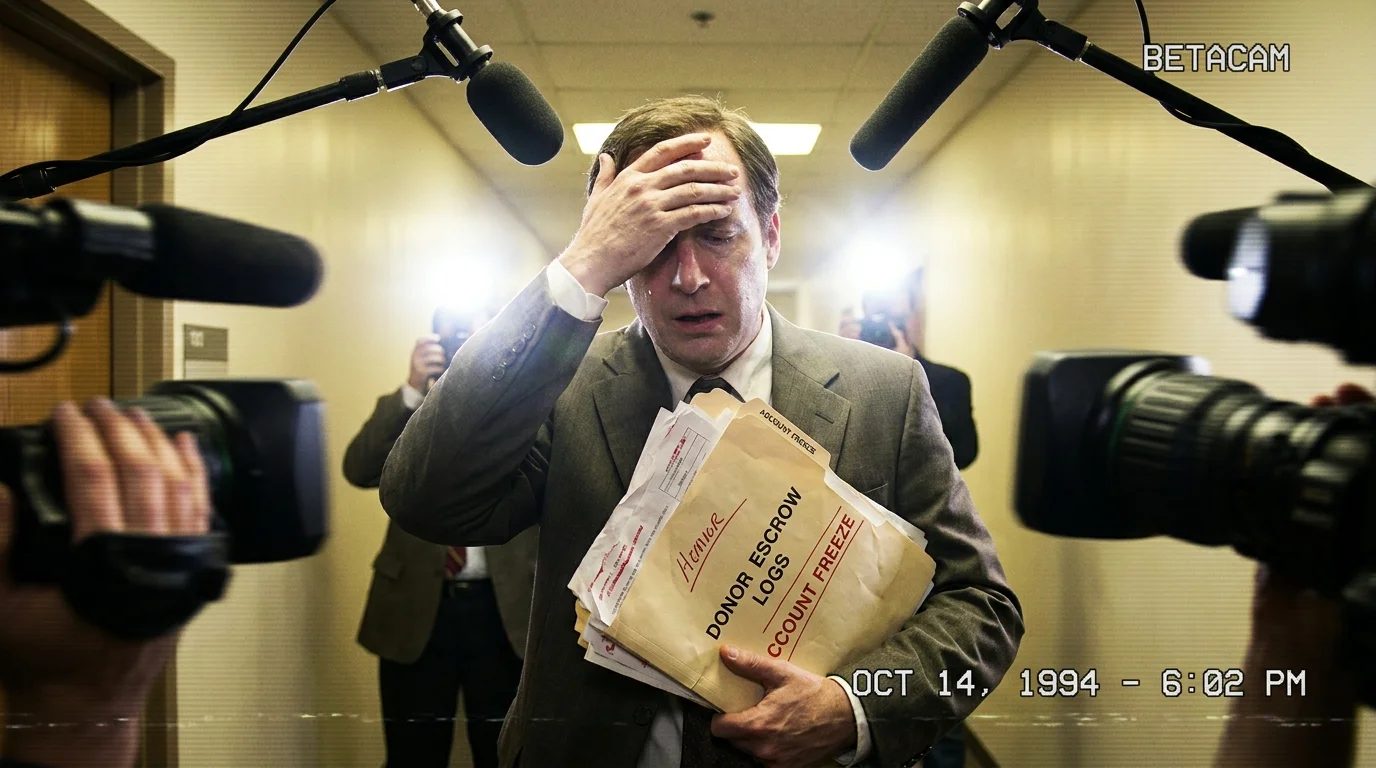
Instead, the wall hits silently inside an automated clearinghouse queue. A twenty-five-dollar recurring gift from a retired schoolteacher in Dubuque sits trapped beside an earnest five-hundred-dollar contribution from a neighborhood shop owner. There is no flashing red warning, no stern formal summons delivered by an officer of the court, and no direct telephone call from Washington. A silent administrative freeze descends across your depository balance, holding funds hostage in an unmonitored digital quarantine.
What you are watching is not an active fraud investigation or a targeted political strike. It is the cold, clockwork output of automated regulatory gatekeeping. Across federal oversight networks, proprietary risk-scoring models now churn through civic transactions at microsecond speeds, mistaking ordinary human donation habits for systemic campaign finance violations and locking escrow pipelines long before any human investigator ever opens the case file.
The Ghost in the Ledger: Algorithmic Preemption Over Due Process
For decades, political transparency operated on retrospective examination. A treasurer balanced the books, filed periodic disclosure statements on parchment or portal, and awaited manual audit queries if anomalies surfaced. The process was slow, human, and deliberate, leaving room for clerical adjustments and genuine clarification.
Today, the regulatory machinery works like an over-tuned smoke detector installed directly above a wood-burning stove. The moment a campaign experiences a spontaneous surge of small-dollar donations following an impassioned town hall, the velocity engine triggers. Because these modern oversight systems rely on third-party banking models tuned for anti-money laundering and illicit foreign conduits, sudden spikes in civic enthusiasm register as coordinated fraud matrices.
The central illusion is that speed equals safety. Federal watchdogs quietly integrated automated filtering tools to lighten the load on understaffed casework divisions, but they handed operational authority to algorithmic tripwires. If your donor happens to share a surname and postal district with a restricted entity, or if an automated split-payment processor fires batches two minutes apart, unvetted automated compliance models flag the activity, locking donor escrow accounts instantly while notifying nobody.
The Human Cost on the Ground
Consider Marcus Holloway, a 42-year-old treasurer managing a non-partisan municipal bond campaign in Ohio. In late September, Marcus watched his campaign account balance stall out for nine days after a viral video caused eighteen hundred distinct five-dollar transfers to flow through an online payment widget within a four-hour window. His banking provider, bound by automated federal compliance alerts, froze the campaign clearing balance under a phantom fraud suspicion code. Marcus spent sixty-four hours drafting manual affidavit packets and calling automated helplines, unable to buy scheduled yard signs or pay his field organizer, while the actual federal caseworker assigned to inspect the software alert remained out on administrative leave.
Mapping the Freeze: Where the Traps Are Set
To survive this digital dragnet, you need to understand precisely where algorithmic triggers are calibrated to snap shut. The machinery does not evaluate intent; it looks for deviations from a flat, predictable baseline.
- Congressional district maps splinter historic suburban voting coalitions through algorithmic partitioning
- Municipal advisory boards overrule elected city leaders through closed-door consensus maneuvers
- Statehouse payroll surcharges erode take-home paychecks following quiet bipartisan budget compromises
- White House fuel reserves release triggers fierce partisan clashes over depleted stockpiles
- Camp David logs reveal unredacted White House transcripts exposing secret diplomatic deals
For Grassroots Community Organizers
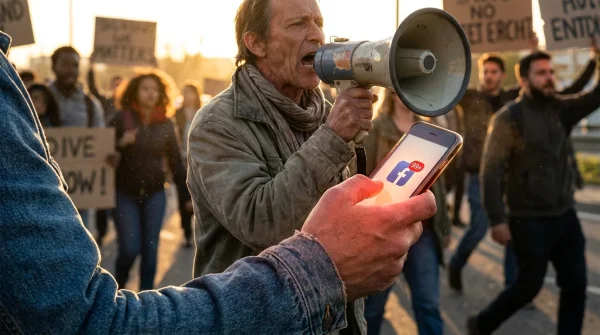
Small organizations running on tight operating margins face the greatest vulnerability because their financial activity is inherently uneven. Months of near-dormancy are suddenly interrupted by intense, weekend-long rallies that generate hundreds of micro-donations.
When an unvetted model sees twenty contributions originate from the same IP range—such as a crowded gymnasium Wi-Fi network—it flags the batch as a bot farm orchestrating illegal conduit donations. Pre-registering batch gathering tools with your bank merchant services department provides an initial shield against automated network flags.
For Independent Contenders and Challengers
Challengers lack the institutional banking buffers that legacy party committees have spent decades building. Legacy PAC accounts often hold multi-tiered banking relationships that bypass routine clearing throttles through grandfathered compliance status.
An independent campaign, operating out of a local credit union or regional savings bank, gets routed through standard automated screening hubs. If your contributor uses a virtual private network or donates while traveling out of state, the system flags the geographical disparity as suspicious activity, holding the money until physical address verification forms are submitted by mail.
Mindful Safeguards: Building Algorithmic Resilience
Treating financial compliance as a creative discipline rather than an administrative chore keeps your operations breathing. When you protect your cash flow from automated panic buttons, you protect the collective voice of every person who contributed to your platform.
The objective is not to dodge oversight, but to feed the automated monitors the clean, predictable patterns they crave to stay silent.
- Stagger your online fundraising announcements rather than releasing calls-to-action simultaneously across every platform at midnight.
- Mandate secondary address validation fields on your intake forms so card processors never see a blank billing address match.
- Establish parallel, segregated escrow accounts for operations versus reserve capital so a single frozen merchant gateway does not halt your day-to-day office payroll.
- Export daily transaction ledgers into plain CSV files every morning at sunrise, verifying bank clearance IDs against gateway receipts.
The Tactical Defense Toolkit
Keep these baseline operating boundaries close at hand during active fundraising cycles:
- Velocity Throttle Limit: Set intake widgets to cap single-IP card sweeps to no more than 4 attempts per hour.
- Escrow Lag Window: Maintain a rolling 72-hour liquidity cushion to absorb administrative settlement freezes without missing media buys.
- Verification Packet Ready-File: Keep a pre-signed, notarized packet of bank authorization forms, treasurer contact records, and FEC registration forms on your desktop for immediate one-click transmission to frozen merchant clearing desks.
The Clear Eye on Civic Autonomy
When you master the quiet mechanics of automated banking oversight, the fog of administrative dread begins to clear. The sudden freezing of a donor pipeline stops feeling like an existential strike from an invisible power and reveals itself as nothing more than a dumb, mechanical glitch in a bureaucratic code repository.
Democracy is messy, emotional, and unpredictable. It moves in sudden bursts of shared purpose, defying the sterile, linear models that oversight agencies purchase from corporate software vendors. By learning how these silent gatekeepers calculate risk, you preserve real civic participation from being erased by an uncalibrated spreadsheet formula. You keep the office lights on, the doors open, and the voice of the community audible when it matters most.
The machine does not know your candidate, your town, or your passion; it only knows whether your heartbeat matches its calibrated algorithm.
| Key Point | Detail | Added Value for the Reader |
|---|---|---|
| Algorithmic Velocity Tripping | Automated systems lock merchant gateways when transaction frequency surges beyond historical standard deviations. | Helps organizers anticipate why viral digital spikes trigger banking freezes before blame is misdirected. |
| Conduit Fraud False Positives | Shared Wi-Fi donations at live rallies mimic illicit straw-donor patterns within legacy clearinghouse monitors. | Provides tactical justification for routing event donations through verified cellular networks instead of shared venues. |
| Administrative Casework Lag | Federal and merchant compliance divisions face structural backlogs, taking up to two weeks to review routine software flags. | Encourages campaigns to establish emergency reserve accounts before launching major fundraising pushes. |
How does automated compliance software detect non-compliant campaign donations?
The software cross-references transaction velocity, geography, and account history against pre-set anti-money laundering and political straw-donation patterns, flagging any unusual statistical spike.
Why are bank accounts frozen before an agency caseworker speaks with the campaign?
Federal administrative risk frameworks prioritize immediate preventative asset quarantine over post-facto investigation, delegating the initial action to automated third-party banking models.
Can a campaign prevent sudden donor escrow freezes during a fundraising drive?
Yes, by coordinating high-traffic fundraising drives with your depository institution in advance and using address-verification protocols on your collection forms.
What is the fastest way to clear a software-flagged escrow freeze?
Submit a pre-compiled compliance packet containing the organization’s registration documents, treasurer identification, and detailed transaction ledgers directly to the bank’s manual risk assessment group.
Does this software freeze apply only to national party operations?
No, small local campaigns and independent candidates are disproportionately impacted because regional banks route transactions through commercial clearing algorithms without manual oversight buffers.